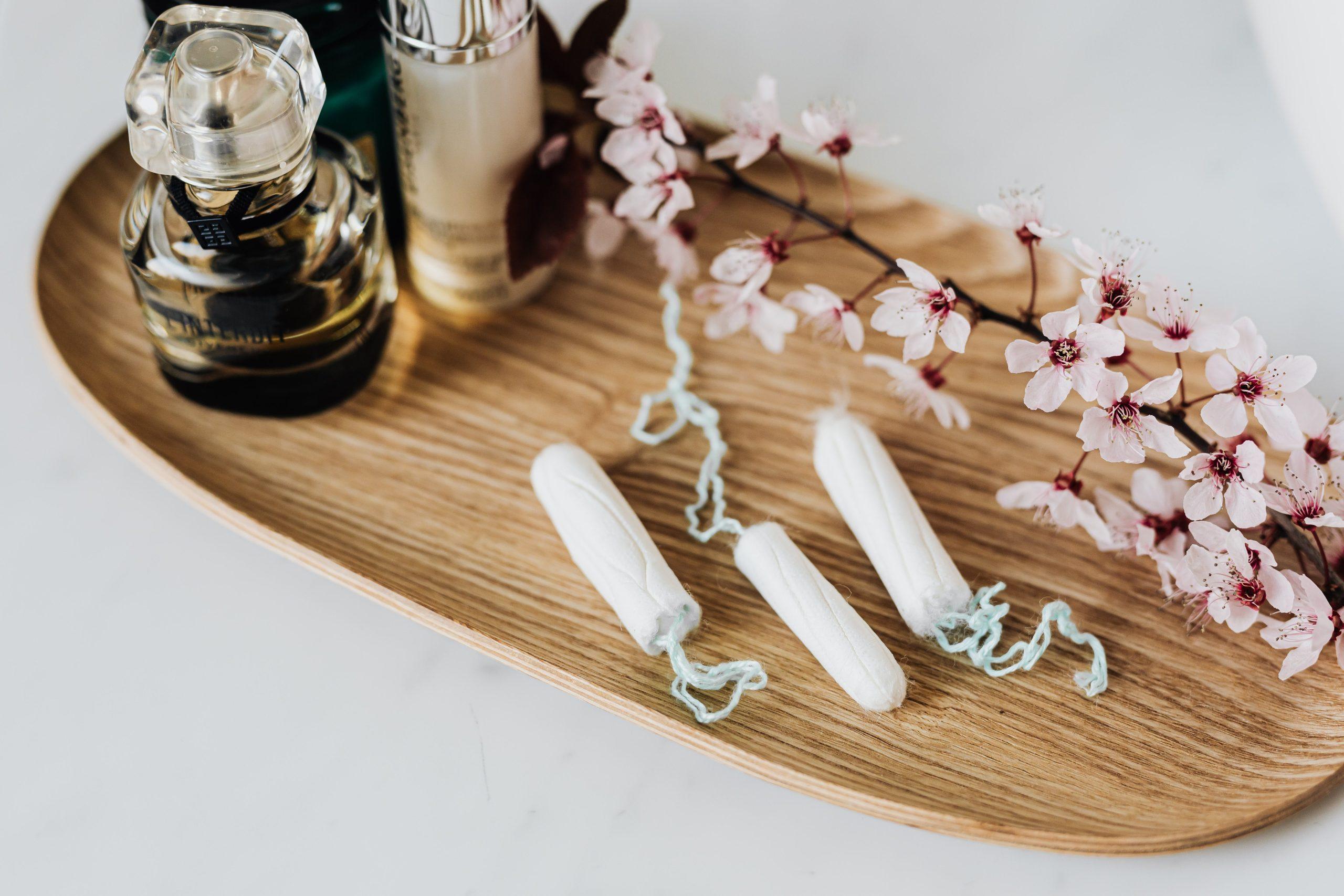

Menstrual cramps and Premenstrual Syndrome (PMS) are common issues affecting many women, often bringing discomfort and pain. While conventional medicine offers various treatments, holistic approaches focus on treating the whole person, balancing physical, emotional, and environmental well-being. This article explores natural and integrative strategies for managing menstrual cramps and PMS, offering a comprehensive approach to menstrual health.

Understanding Menstrual Cramps and PMS
Menstrual cramps, or dysmenorrhea, are painful sensations felt in the lower abdomen, which can occur before or during the menstrual period. PMS encompasses a wide range of symptoms, including mood swings, tender breasts, food cravings, fatigue, irritability, and depression, which can occur in the one to two weeks before a woman's period. Both conditions are influenced by hormonal fluctuations, lifestyle, and nutritional factors.
Nutritional Support and Dietary Changes
Diet plays a crucial role in managing menstrual symptoms. Incorporating a diet rich in whole foods, fruits, vegetables, whole grains, lean proteins, and healthy fats can help stabilize hormones and reduce inflammation. Omega-3 fatty acids, found in fish like salmon and flaxseeds, have been shown to reduce the intensity of cramps. Magnesium-rich foods, such as leafy greens, nuts, and seeds, can ease muscle contractions and reduce symptoms of PMS. Additionally, reducing intake of caffeine, sugar, and salt can alleviate bloating and mood swings.
Herbal Remedies
Herbal medicine offers various options for easing menstrual discomfort. Chasteberry (Vitex agnus-castus) is widely used for PMS symptoms, as it balances hormone levels. Ginger, with its anti-inflammatory properties, can reduce the severity of cramps. Cramp bark (Viburnum opulus) is another herb traditionally used to relieve menstrual pain. Always consult with a healthcare provider before starting any herbal remedy, especially if you are taking other medications.
Lifestyle Modifications
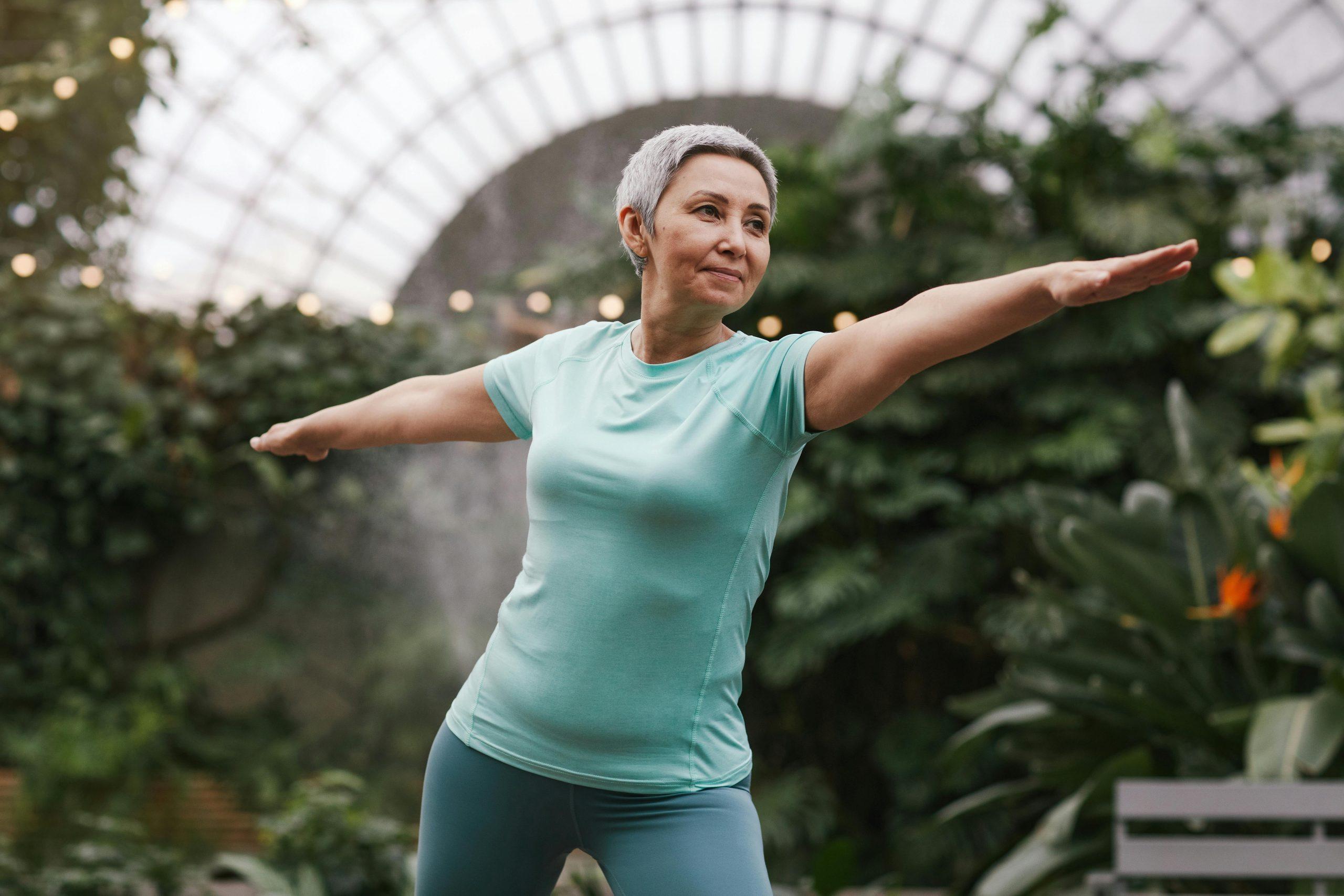
Regular physical activity can significantly lessen menstrual cramps and improve PMS symptoms. Exercises like walking, yoga, and swimming promote blood flow and release endorphins, natural painkillers. Stress management techniques, such as meditation, deep breathing exercises, and mindfulness, can also mitigate PMS symptoms by reducing stress hormones that exacerbate menstrual discomfort.
Acupuncture and Acupressure
Acupuncture and acupressure are part of Traditional Chinese Medicine (TCM) and have been used for centuries to treat menstrual issues. These practices involve stimulating specific points on the body to balance energy flow and hormones. Research suggests that acupuncture can be effective in reducing menstrual pain and treating PMS.
Integrative Approaches
An integrative approach to menstrual cramps and PMS includes combining various therapies and lifestyle changes. This might involve working with a naturopathic doctor, nutritionist, and physical therapist to develop a personalized plan that addresses all aspects of well-being. Integrative medicine emphasizes the importance of patient involvement and education, empowering women to take an active role in their menstrual health.

Conclusion
Holistic management of menstrual cramps and PMS requires a multifaceted approach that addresses dietary, lifestyle, and emotional factors. By incorporating natural remedies, nutritional support, and lifestyle changes, women can find relief from menstrual discomfort and achieve a better balance in their overall health. It's essential to consult with healthcare professionals to tailor these recommendations to your individual needs, ensuring a safe and effective treatment plan.