


In the pursuit of optimal health, understanding and addressing nutritional deficiencies is paramount. Modern lifestyles, along with processed food diets, can lead to a lack of essential nutrients necessary for the body's proper functioning. Naturopathic medicine emphasizes the healing power of nature and the body's ability to restore and maintain health. One of the core strategies in naturopathic health care is the use of whole foods and supplements to correct nutritional deficiencies and promote wellness.

The Foundation: Whole Foods
Whole foods are unprocessed and unrefined, or processed and refined as little as possible before being consumed. They include a variety of fruits, vegetables, whole grains, nuts, seeds, and lean proteins. These foods are rich in essential nutrients such as vitamins, minerals, fiber, antioxidants, and phytonutrients that are often missing from the modern diet.
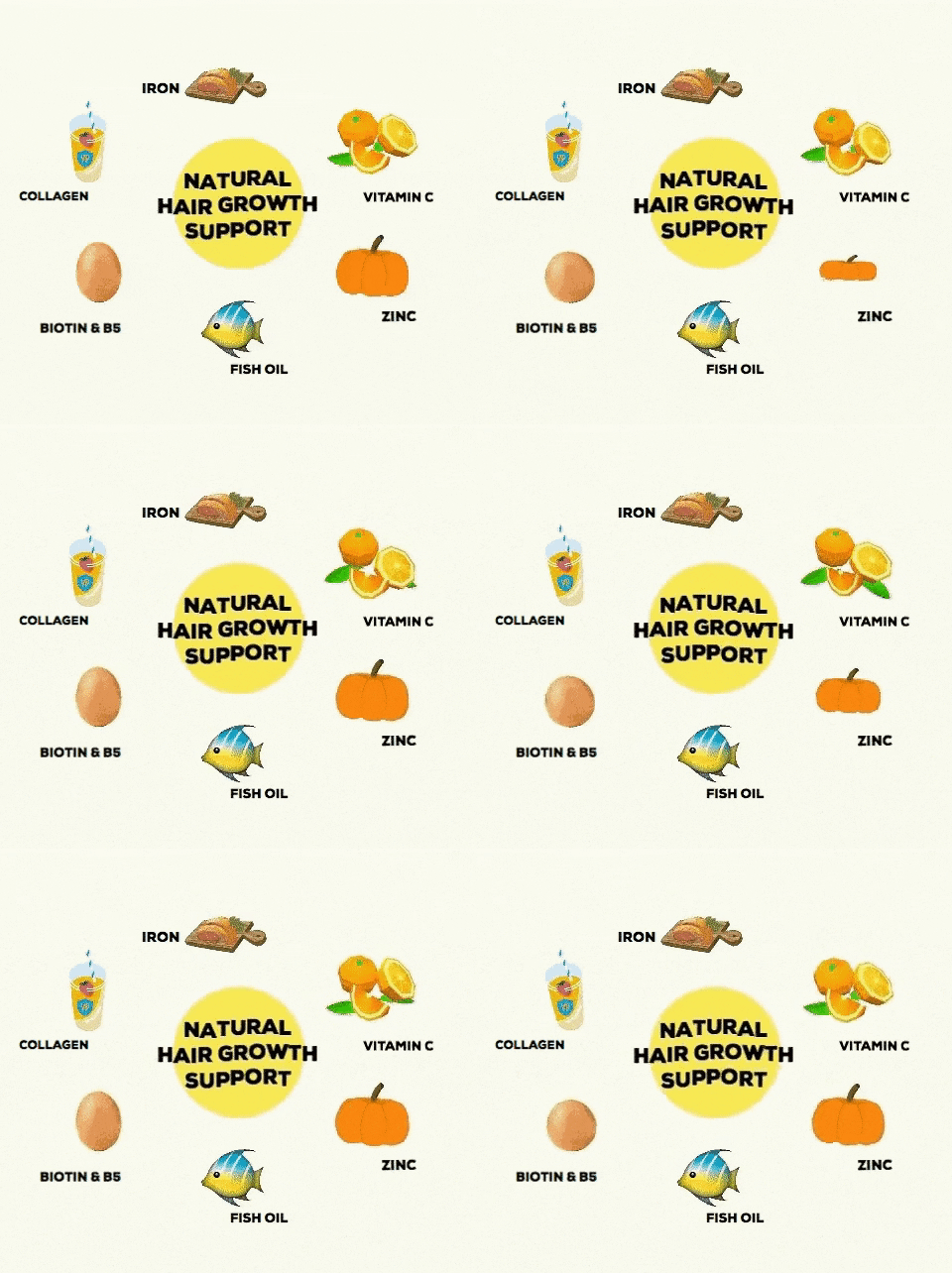
Integrating a diverse range of whole foods into your diet ensures a broad spectrum of nutrients necessary for the body's numerous functions. For example, leafy green vegetables like spinach and kale are high in iron and calcium, crucial for blood health and bone strength, respectively. Berries are loaded with antioxidants that support immune function and protect against oxidative stress.

Supplements: When Diet Isn't Enough
While whole foods should form the cornerstone of any diet, there are instances where diet alone may not provide sufficient nutrients. Factors such as age, health conditions, dietary restrictions, and lifestyle choices can lead to nutrient deficiencies. This is where supplements come into play.
Supplements, including vitamins, minerals, and other nutritional products, can help fill the nutritional gaps. For instance, vitamin D supplementation may be necessary for individuals with limited sun exposure or certain absorption issues. Omega-3 fatty acids, found in fish oil supplements, are essential for heart and brain health but might be under-consumed in diets lacking in fatty fish.
It's important to approach supplementation with care, ideally under the guidance of a healthcare professional. This ensures that the supplements used are necessary, appropriate, and in the correct doses to avoid potential interactions with other nutrients or medications.
A Holistic Approach
Naturopathic medicine advocates for a holistic approach to health, looking at the individual's lifestyle, environment, and diet as a whole. Addressing nutritional deficiencies with whole foods and supplements is a key part of this approach, emphasizing the importance of a balanced, nutrient-rich diet tailored to individual needs.
Moreover, lifestyle modifications such as regular physical activity, adequate hydration, stress management, and sleep optimization play integral roles in enhancing the body's nutrient absorption and overall health.
Conclusion
Addressing nutritional deficiencies through a combination of whole foods and supplements is a foundational principle of naturopathic medicine. This approach not only targets specific deficiencies but also promotes a comprehensive strategy for long-term health and wellness. By focusing on nutrition as a cornerstone of health, individuals can take significant steps towards achieving and maintaining optimal health. It's a journey that begins with the food on your plate and the supplements in your cabinet, guided by the principles of naturopathy and a commitment to natural, holistic well-being.