



In the realm of health and wellness, the role of phytonutrients in disease prevention has garnered significant attention. These naturally occurring compounds, found abundantly in fruits, vegetables, grains, and other plant-based foods, are pivotal in promoting good health and preventing various diseases. This article delves into the essence of phytonutrients, their health benefits, and how incorporating them into your diet can lead to a healthier life.
Understanding Phytonutrients
Phytonutrients, also known as phytochemicals, are compounds produced by plants to protect themselves from various threats like insects, UV rays, and diseases. Intriguingly, when consumed by humans, these substances offer protective health benefits. Unlike essential nutrients (vitamins and minerals), phytonutrients aren't necessary for keeping us alive, but they do help in preventing diseases and maintaining optimum health.
There are thousands of known phytonutrients, each with its unique benefits. Some well-known categories include flavonoids, carotenoids, and isoflavones. Flavonoids, found in fruits like apples and berries, are celebrated for their antioxidant and anti-inflammatory properties. Carotenoids, present in carrots, spinach, and tomatoes, are known for enhancing immune function and promoting eye health. Isoflavones, abundant in soybeans, are noted for their role in reducing the risk of heart disease and some cancers.

Phytonutrients and Disease Prevention
The link between phytonutrients and disease prevention is a subject of extensive research. These compounds are known to:
- Reduce Inflammation: Chronic inflammation is a root cause of many diseases, including heart disease, diabetes, and cancer. Phytonutrients like flavonoids help in reducing inflammation, thereby lowering disease risk.
- Enhance Immunity: Certain phytonutrients boost the immune system. For instance, beta-carotene increases the number of infection-fighting cells.
- Prevent Chronic Diseases: The antioxidant properties of many phytonutrients help in preventing conditions like heart disease, diabetes, and certain cancers by combating free radicals.
- Promote Overall Health: Phytonutrients aid in maintaining hormonal balance, detoxifying the body, and ensuring healthy functioning of various systems.

Incorporating Phytonutrients into Your Diet
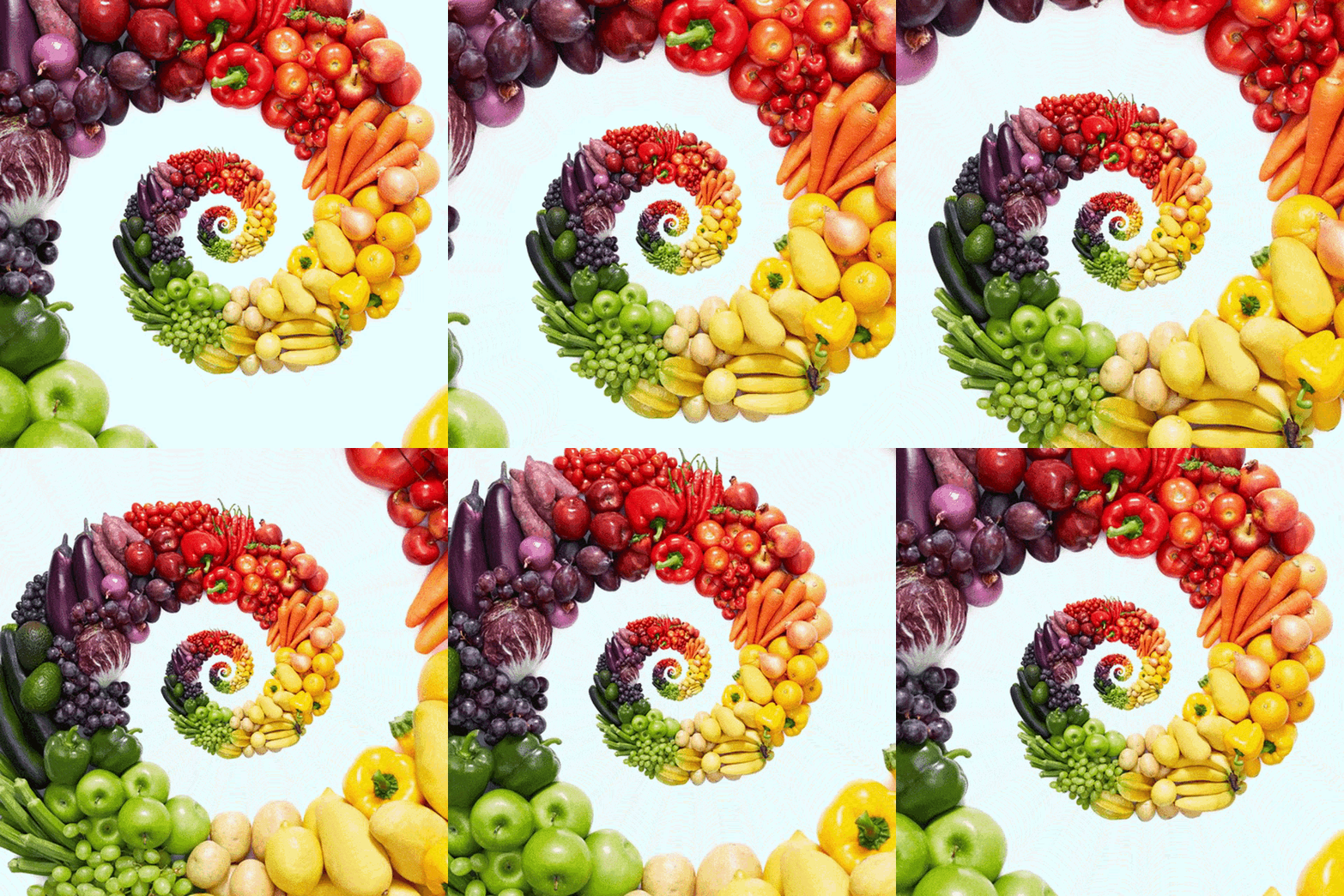
The best way to reap the benefits of phytonutrients is through a diet rich in fruits, vegetables, whole grains, legumes, nuts, and seeds. Each color in fruits and vegetables is indicative of different phytonutrients. Thus, consuming a "rainbow" of foods ensures a wide range of these compounds. For example, red and pink fruits and vegetables typically contain lycopene, a powerful antioxidant, while green leafy vegetables are rich in lutein and zeaxanthin, which are beneficial for eye health.
Supplements can complement but not replace the variety and balance of nutrients found in whole foods. It's always better to consume these nutrients as part of a balanced diet rather than in isolated forms.
Conclusion
Phytonutrients play a pivotal role in disease prevention and overall health maintenance. By understanding their benefits and incorporating a variety of plant-based foods in our diets, we can harness the power of these natural health boosters. Embracing a diet rich in phytonutrients is not just about preventing illness; it's a proactive step towards a vibrant, healthier life.