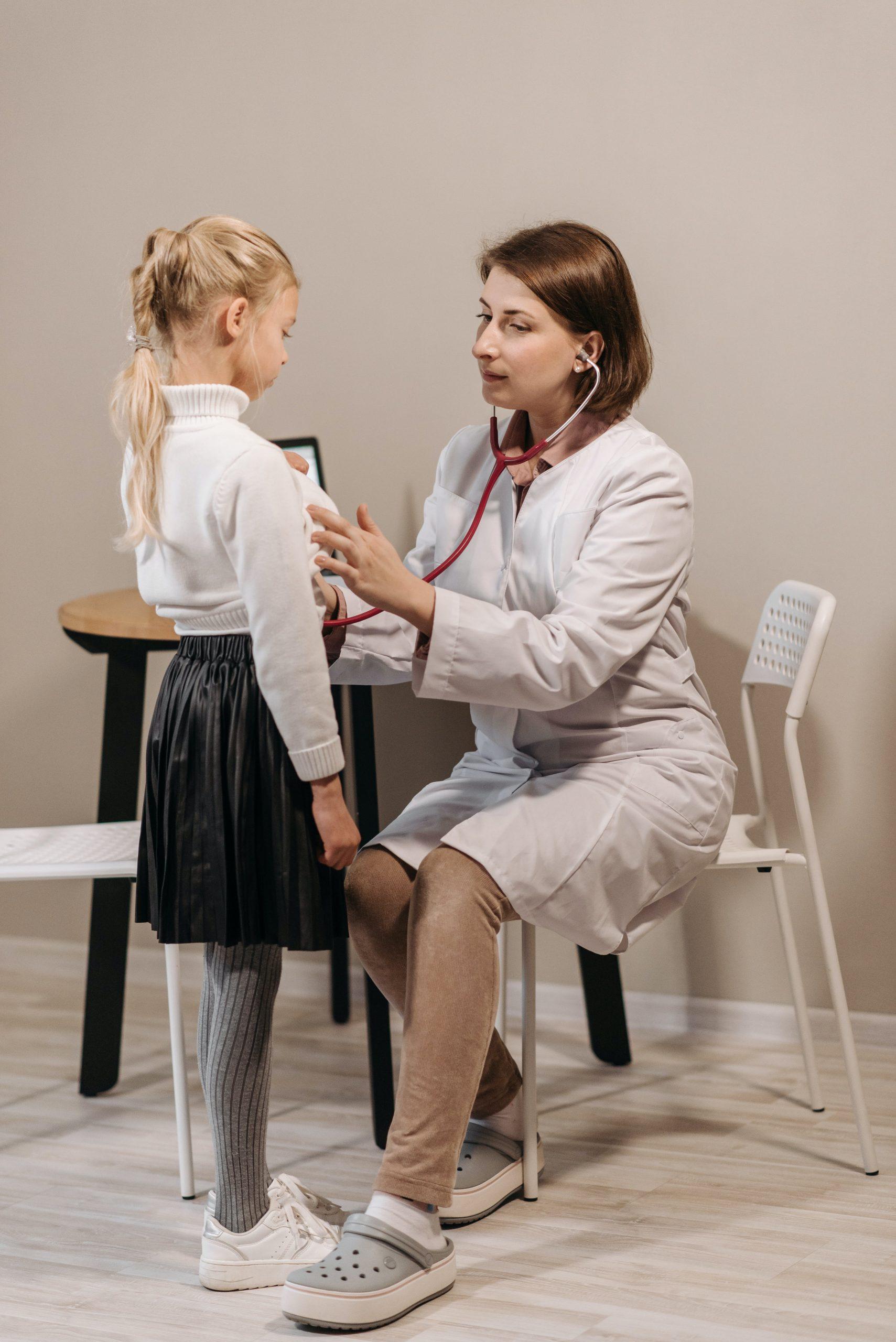

In the dynamic world of children's health, the emphasis on naturally boosting a child's immunity has become a prominent focus. Parents and caregivers are increasingly seeking out natural strategies to bolster their children's immune systems, aiming for a harmonious blend of traditional wisdom and modern understanding. This article delves into various natural approaches that can contribute to strengthening the immune health of children.

1. Balanced Nutrition: The Cornerstone of Immune Health
Nutrition plays a pivotal role in immune function. A diet rich in fruits, vegetables, whole grains, and lean proteins provides essential nutrients like vitamins A, C, E, and zinc, which are crucial for immune support. Incorporating a variety of colorful fruits and vegetables ensures a broad spectrum of antioxidants and phytonutrients. For instance, berries, citrus fruits, and leafy greens are excellent sources of vitamins and antioxidants. Additionally, fermented foods like yogurt, kefir, and sauerkraut can introduce beneficial probiotics, which are known to enhance gut health and, in turn, immune function.
2. Adequate Sleep: Vital for Immune Regulation
Sleep plays a vital role in maintaining a child's immunity, especially in their formative years. While asleep, their bodies repair and fine-tune immune functions. It's been observed that children who regularly get enough sleep demonstrate stronger immune responses. The National Sleep Foundation suggests 9-11 hours of sleep per night for school-aged children and 11-14 hours for preschoolers to support their immunity effectively.
3. Physical Activity: Strengthening the Body and Immune System
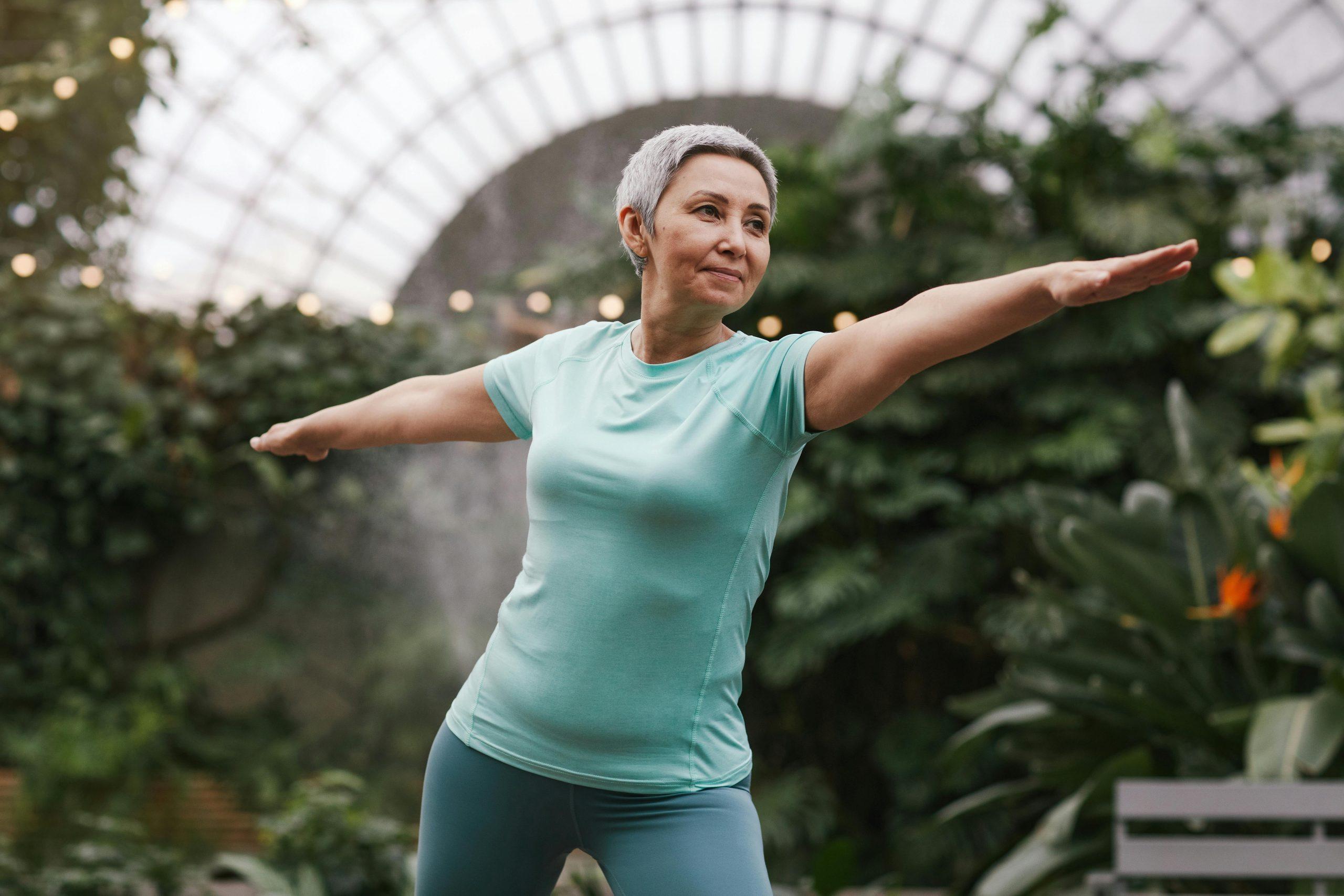
Regular physical activity is crucial for overall health and, importantly, for sustaining a strong immune system. Engaging in activities such as playing outdoors, cycling, swimming, or participating in sports not only helps in improving circulation but also significantly reduces stress, thereby enhancing the body's capacity to combat infections. Furthermore, the World Health Organization recommends that children and adolescents aged 5-17 years should partake in at least 60 minutes of moderate to vigorous-intensity physical activity on a daily basis.

4. Stress Reduction: A Key to Immune Balance
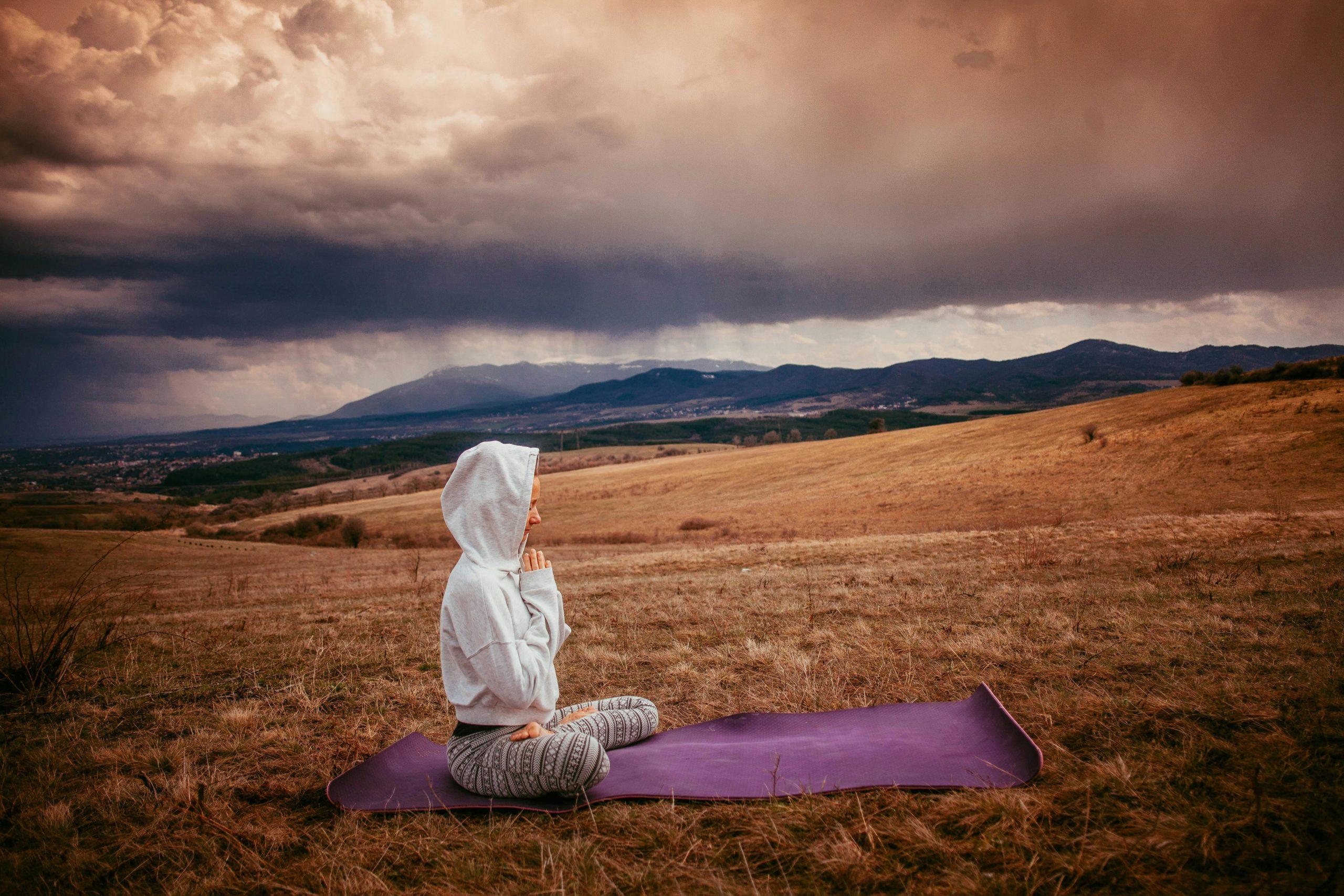
Chronic stress can impair a child's immunity, increasing their vulnerability to sickness. Integrating stress-relief practices like mindfulness, yoga, or basic breathing exercises can be advantageous. Fostering an environment where children feel comfortable expressing their emotions and receiving support can further help in reducing stress.
5. Herbal Supplements: A Traditional Boost
Certain herbal supplements are traditionally known for their immune-boosting properties. Echinacea, elderberry, and astragalus are some herbs that have been used to support immune health. However, it's crucial to consult with a healthcare provider before introducing any supplements, especially in children, to ensure safety and appropriateness.

6. Reducing Environmental Toxins
Minimizing exposure to harmful chemicals and toxins is another vital aspect of boosting immunity. This includes using natural cleaning products, avoiding smoking or secondhand smoke, and choosing organic foods when possible to reduce pesticide exposure.
Conclusion: A Holistic Approach for Robust Immunity
Enhancing children's immunity naturally involves a comprehensive, holistic approach which includes several key elements: a healthy diet, sufficient sleep, regular physical activity, effective stress management, and the judicious use of supplements. This approach is centered around crafting a lifestyle that not only supports overall well-being but also fosters robust immune resilience. Significantly, parents and caregivers hold a pivotal role in this process, as they are instrumental in implementing these strategies and thereby guiding children towards a life that is healthier and more harmoniously balanced.
Remember, while these natural approaches are beneficial, they do not replace the advice of healthcare professionals. Always consult with a pediatrician or a naturopathic doctor for personalized health guidance.