
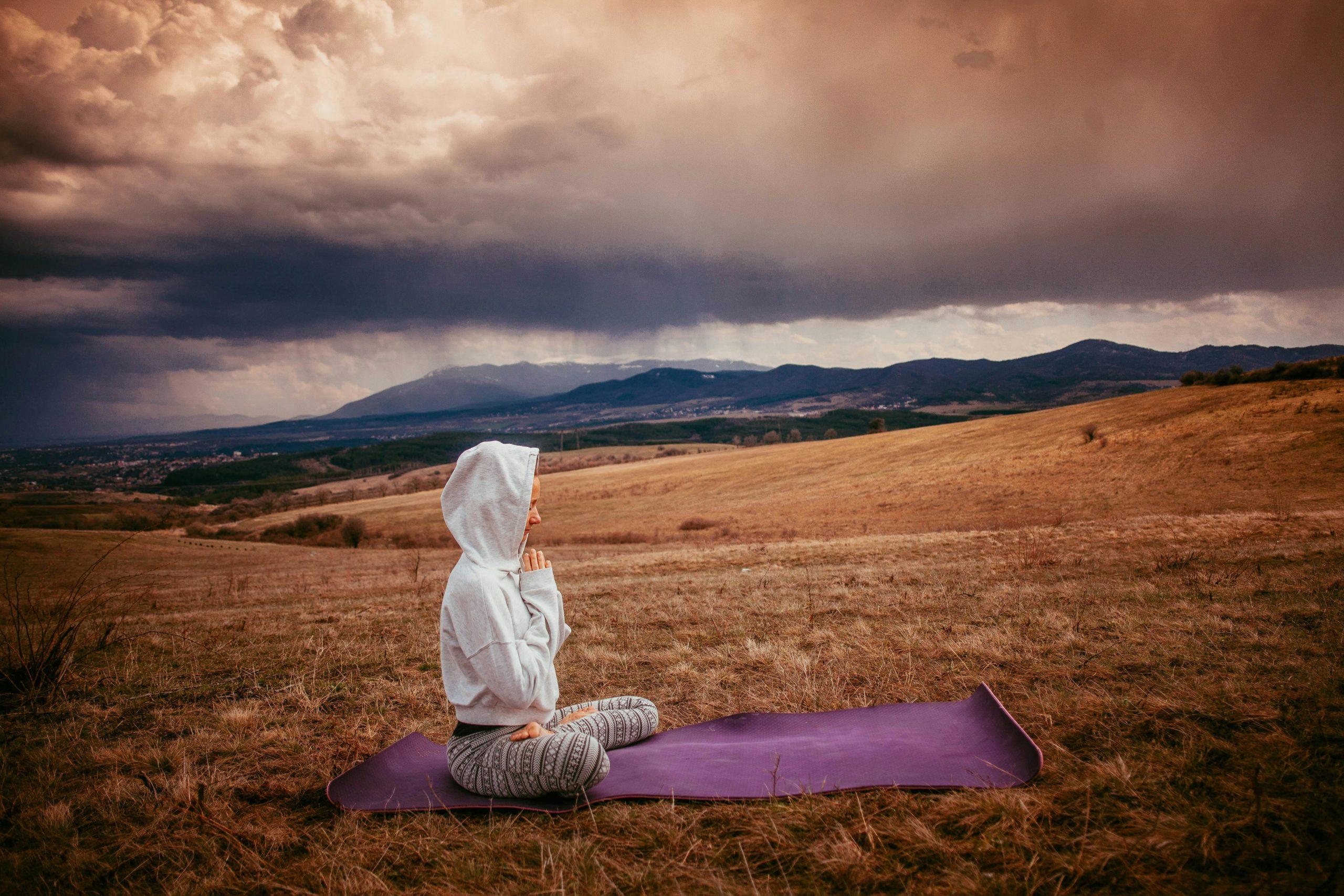

In our fast-paced, technology-driven world, the quest for mental well-being has led many to rediscover the therapeutic power of nature. Ecotherapy, also known as nature therapy or green therapy, is an emerging field within naturopathic medicine that emphasizes the profound impact of our environment on mental health. This holistic approach suggests that by forging a deeper connection with the natural world, individuals can foster emotional resilience, reduce stress, and improve overall well-being.

The Roots of Ecotherapy
Ecotherapy is grounded in the biophilia hypothesis, a term popularized by biologist E.O. Wilson to describe humans' innate affinity for the natural world. This connection, deeply embedded in our genetics, has evolved over millennia, suggesting that our psychological and physical well-being is intrinsically linked to the environment. Ecotherapy harnesses this bond, employing nature-based activities to support mental health.
Nature's Impact on Mental Health
A growing body of research highlights the positive effects of nature on the mind. Studies have shown that spending time in green spaces can significantly reduce stress, anxiety, and depression. Activities such as walking in a forest, gardening, or simply sitting in a park can lower blood pressure, reduce cortisol levels (a stress hormone), and improve mood. The sensory stimulation provided by the natural environment—be it the sound of rustling leaves, the sight of vibrant greenery, or the smell of the earth after rain—serves to ground individuals, fostering a state of mindfulness and present-moment awareness.
Ecotherapy in Practice
Ecotherapy can be practiced in various forms, each designed to suit individual preferences and lifestyles. Some common modalities include:
- Forest Bathing: Originating from Japan, where it is known as Shinrin-yoku, forest bathing involves immersive experiences in forest environments to absorb their tranquility and restorative properties.
- Horticultural Therapy: This modality uses gardening and plant cultivation as a means to improve mental health, offering a sense of responsibility, accomplishment, and connection to the cycle of life.
- Wilderness Therapy: Often used for youth and adults facing emotional or behavioral challenges, wilderness therapy combines adventure and outdoor skills with therapeutic intervention in a wilderness setting.
- Conservation Activities: Participating in conservation efforts, such as tree planting or wildlife habitat restoration, provides a sense of purpose and contribution to the greater good, enhancing self-esteem and well-being.
The Benefits Beyond Mental Health
The advantages of ecotherapy extend beyond mental health improvements. Engaging with nature also encourages physical activity, which is beneficial for overall health. Moreover, it promotes environmental stewardship, fostering a collective responsibility towards preserving our natural habitats for future generations.
Embracing Nature for Healing
Incorporating ecotherapy into our lives doesn't require drastic changes. Simple acts like regular walks in the park, cultivating a garden, or even keeping indoor plants can be the first steps towards harnessing the healing power of nature. As we reconnect with the natural world, we not only improve our mental health but also cultivate a deeper appreciation for the environment that sustains us.
Ecotherapy is a testament to the timeless human-nature relationship, offering a gentle reminder that sometimes, the best prescription is stepping outside, breathing in the fresh air, and allowing nature to do its work. In embracing the natural world, we find a powerful ally in our journey towards mental and emotional well-being.