



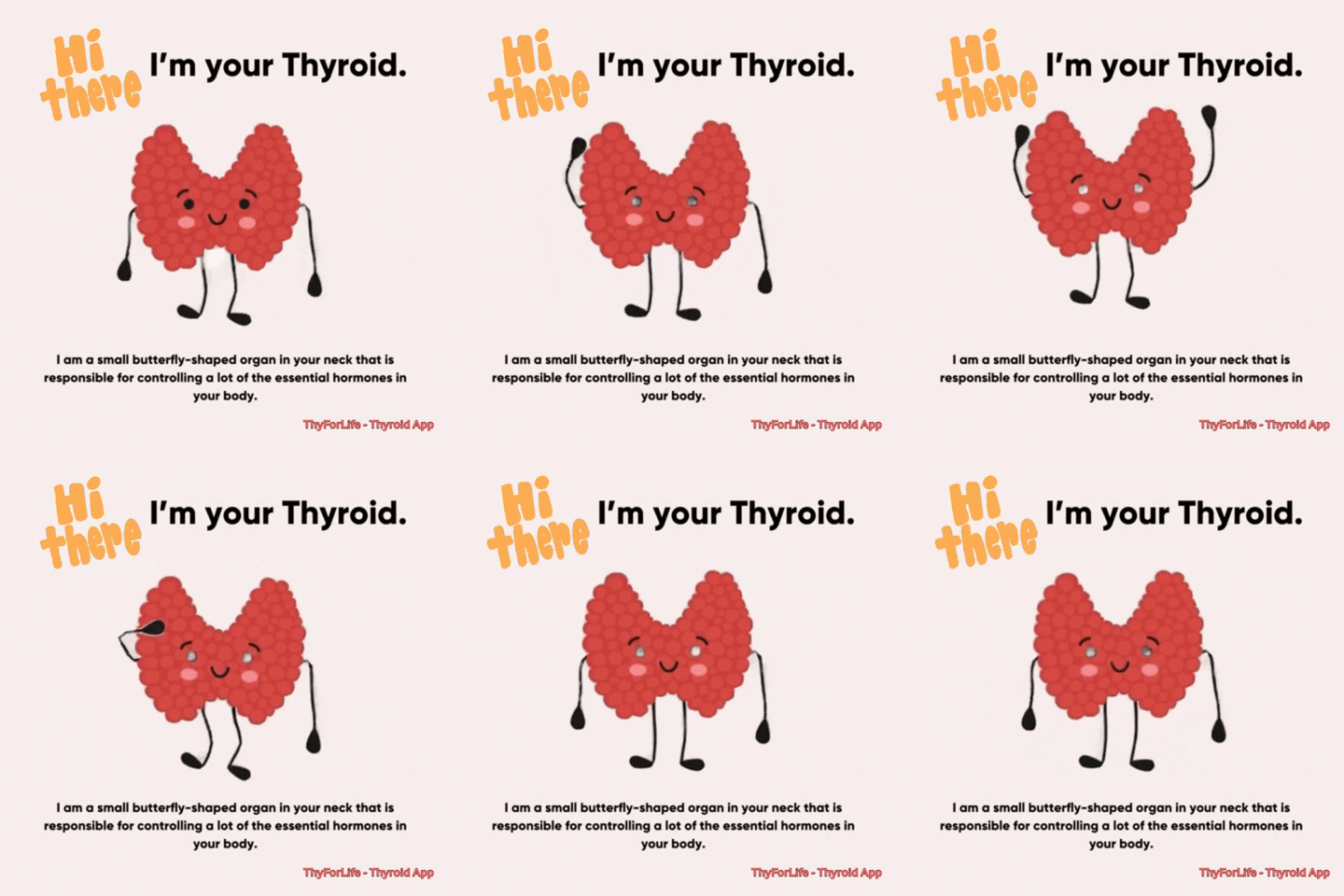
The thyroid gland, a small but mighty organ located at the base of your neck, plays a crucial role in regulating your metabolism, energy levels, and overall bodily functions. Given its importance, maintaining thyroid health is essential for well-being. While conventional medicine provides various treatments for thyroid disorders, many individuals seek natural ways to support their thyroid health. This article explores diet and supplement recommendations that may help in maintaining a healthy thyroid.
Diet for Thyroid Health
The food we eat can have a profound impact on our thyroid health. A balanced diet that supports thyroid function includes foods rich in certain vitamins, minerals, and antioxidants.
Iodine: Iodine is vital for thyroid hormone production. A deficiency in iodine can lead to hypothyroidism, while excess intake can exacerbate certain thyroid conditions. Iodine-rich foods include seaweed, fish, dairy, and eggs. However, it's crucial to consume iodine in moderation, as both deficiency and excess can harm the thyroid.
Selenium: This mineral is essential for the conversion of thyroid hormones from their inactive to their active form. Brazil nuts, seafood, turkey, and chicken are excellent sources of selenium.
Zinc: Zinc also plays a role in hormone production by the thyroid gland. Foods rich in zinc include beef, chicken, nuts, and legumes.
Antioxidant-rich Foods: Fruits and vegetables rich in antioxidants can help protect the thyroid gland from oxidative stress. Berries, green leafy vegetables, tomatoes, and bell peppers are great choices.
Avoid Goitrogens in Excess: Some foods contain substances called goitrogens, which can interfere with thyroid hormone production. Cruciferous vegetables like broccoli, cauliflower, and kale, as well as soy products, are examples. Cooking these foods can reduce their goitrogenic activity.

Supplements for Thyroid Health
In addition to a balanced diet, certain supplements may offer additional support for the thyroid:
Iodine Supplements: For those unable to get enough iodine from their diet, supplements might be necessary. However, it's important to consult with a healthcare provider before starting iodine supplementation, as inappropriate use can lead to complications.
Selenium and Zinc Supplements: If dietary intake is insufficient, selenium and zinc supplements can help maintain proper thyroid function. Again, consultation with a healthcare professional is advisable to avoid overdosing.
Vitamin D: Low levels of vitamin D have been linked to an increased risk of thyroid disorders. Supplementing with vitamin D can support thyroid health, especially in individuals with limited sun exposure.
Omega-3 Fatty Acids: Found in fish oil supplements, omega-3 fatty acids can help reduce inflammation and support overall thyroid function.
Ashwagandha: This adaptogenic herb is believed to help balance thyroid hormones in people with hypothyroidism. However, more research is needed to fully understand its effects.

Conclusion
Supporting thyroid health naturally involves a combination of a well-balanced diet and possibly supplements, under the guidance of a healthcare provider. By incorporating foods rich in iodine, selenium, zinc, and antioxidants, and considering supplements where necessary, you can help maintain your thyroid health and overall well-being. Remember, while diet and supplements can support thyroid health, they should not replace treatments prescribed by healthcare professionals. Always consult with a healthcare provider or a naturopathic doctor before making significant changes to your diet or starting new supplements, especially if you have a thyroid condition.