

In recent years, the link between gut health and skin conditions has garnered increasing attention within the naturopathic medicine community. This burgeoning interest is driven by a growing body of research suggesting that the health of our gut microbiome—a complex ecosystem of bacteria, viruses, and fungi residing in our digestive tract—plays a pivotal role in the overall health of our skin. Naturopathic medicine, with its holistic approach to health and wellness, emphasizes the importance of understanding and nurturing this connection to promote both gut and skin health.
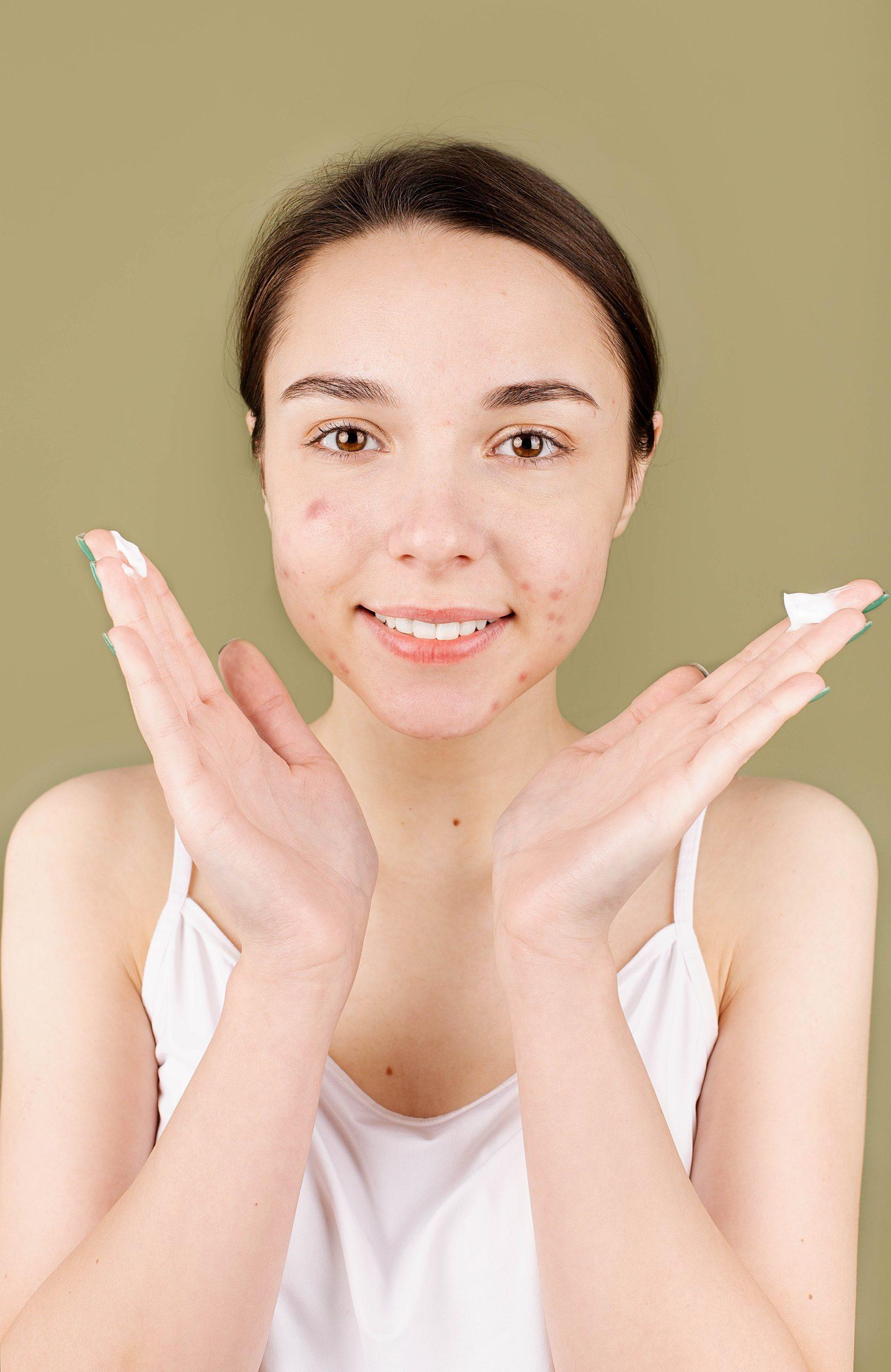
The gut-skin axis, a term that has emerged to describe the biochemical signaling that takes place between the gastrointestinal tract and the skin, underscores the interconnectedness of our body's systems. According to naturopathic philosophy, imbalances within the gut microbiome can lead to systemic inflammation, impaired immune response, and altered nutrient absorption, all of which can manifest externally as various skin conditions, including acne, eczema, psoriasis, and rosacea.

Inflammation and the Immune System
One of the key mechanisms through which gut health impacts skin conditions is inflammation. An imbalance in the gut microbiota can trigger an immune response that leads to systemic inflammation, affecting the skin's integrity and barrier function. This inflammatory response can exacerbate or even initiate skin disorders. Naturopathic treatments often focus on reducing inflammation through dietary changes, probiotics, and supplements that support gut health and, by extension, skin health.
The Role of Diet and Nutrition
Diet plays a crucial role in maintaining a healthy gut microbiome. Naturopathic practitioners advocate for a diet rich in whole foods, fiber, and fermented foods that support the growth of beneficial gut bacteria. Such a diet can help reduce inflammation and promote a healthier skin appearance. Foods high in refined sugars and fats, on the other hand, can contribute to gut dysbiosis—an imbalance of gut microbiota—which is often linked to skin issues. Personalized nutrition plans are a cornerstone of naturopathic care, tailored to address specific gut and skin health concerns.

Probiotics: A Link Between Gut Health and Skin Clarity
Probiotics, live beneficial bacteria, are critical in maintaining a balanced gut microbiome. Naturopathic medicine often incorporates probiotics, both through dietary sources and supplements, to enhance gut health. Emerging research suggests that specific strains of probiotics can have a positive effect on skin health, reducing the severity and occurrence of conditions such as acne and eczema by modulating the body's immune response and reducing inflammation.
Detoxification and Elimination
Naturopathic approaches to gut and skin health also emphasize the importance of the body's detoxification and waste elimination processes. A well-functioning digestive system is essential for the removal of toxins and waste products that, if accumulated, can contribute to skin issues. Herbal remedies, hydration, and lifestyle practices that support liver and kidney function are often recommended to improve gut health and, consequently, skin condition.
A Personalized Approach
Recognizing the unique nature of each individual's gut microbiome, naturopathic medicine adopts a personalized approach to treating skin conditions. Through a comprehensive evaluation of dietary habits, lifestyle factors, and health history, naturopathic practitioners develop customized treatment plans that address the root causes of skin issues, which often lie within the gut.

In conclusion, the connection between gut health and skin conditions is a testament to the complexity and interconnectedness of the human body. Naturopathic medicine, with its holistic approach, offers valuable insights and treatments that aim to restore balance to the gut microbiome, promoting not only the health of the skin but overall well-being. As research in this area continues to evolve, the potential for naturopathic interventions to contribute to the management and prevention of skin conditions looks increasingly promising.