

Inflammation is the body's natural response to protect itself against harm. However, when inflammation becomes chronic, it can lead to various health issues, including heart disease, diabetes, cancer, and arthritis. Fortunately, through diet, herbs, and lifestyle changes, it is possible to combat inflammation naturally, enhancing overall health and wellbeing.

Diet: The Foundation of Anti-Inflammatory Living
A diet rich in anti-inflammatory foods is fundamental in reducing inflammation. Foods high in antioxidants, such as fruits and vegetables, are key. Berries, leafy greens, and other brightly colored fruits and vegetables are packed with vitamins, minerals, and antioxidants that help combat free radicals, reducing inflammation.
Omega-3 fatty acids are another crucial component of an anti-inflammatory diet. Found in fish such as salmon, mackerel, and sardines, as well as in flaxseeds, chia seeds, and walnuts, omega-3s help reduce the production of molecules and substances linked to inflammation, such as inflammatory eicosanoids and cytokines.
Whole grains, like oats, brown rice, and quinoa, are also beneficial. They are high in fiber, which has been shown to reduce levels of C-reactive protein, a marker of inflammation in the blood.
Conversely, it's important to avoid or limit foods that can trigger inflammation. Processed foods, sugary snacks, and beverages, as well as red meat and processed meats, can exacerbate inflammation.
Herbs: Nature's Anti-Inflammatory Agents
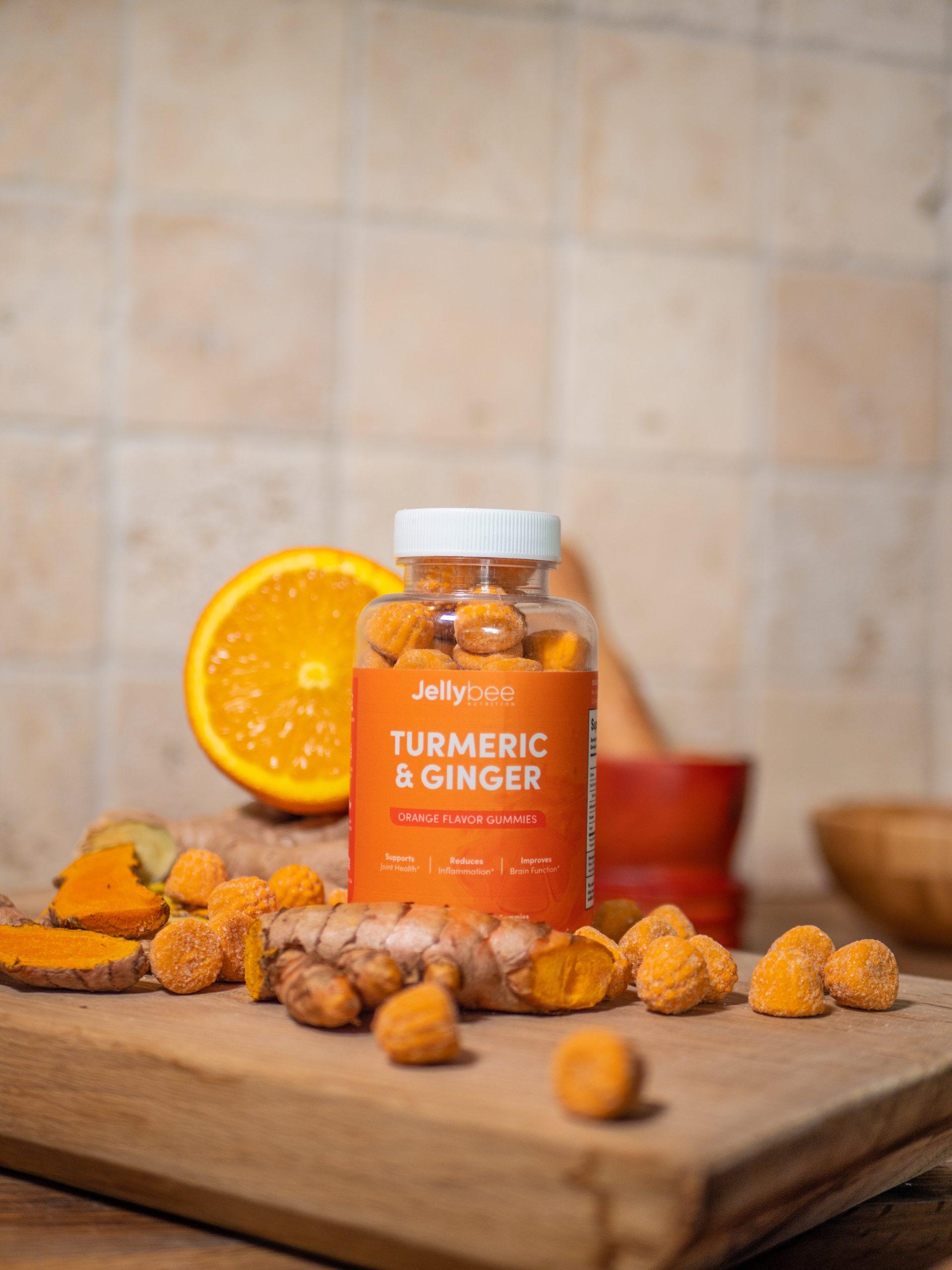
Numerous herbs have been recognized for their anti-inflammatory properties and can be incorporated into the diet or taken as supplements. Turmeric, for instance, contains curcumin, a compound with strong anti-inflammatory and antioxidant effects. Ginger, another potent anti-inflammatory herb, can be added to food or tea or taken as a supplement.
Green tea is also beneficial due to its high content of catechins, antioxidants that reduce inflammation and can protect against disease. Additionally, herbs such as Boswellia and willow bark have been used traditionally to reduce inflammation and pain.

Lifestyle Changes: Beyond Diet and Herbs
Lifestyle plays a significant role in managing inflammation. Regular physical activity is essential; it can help lower inflammation levels through the production of anti-inflammatory chemicals produced by the body during exercise.
Stress management is another critical aspect. Chronic stress contributes to persistent inflammation, so incorporating stress-reduction techniques such as meditation, yoga, and deep breathing exercises can be beneficial.
Adequate sleep cannot be overlooked. Poor sleep is linked to increased inflammation, so aiming for 7-9 hours of quality sleep per night is important for reducing inflammation.
Furthermore, avoiding smoking and limiting alcohol consumption are vital, as both can contribute to inflammation and negatively impact overall health.

Conclusion
Combating inflammation naturally requires a holistic approach, focusing on diet, herbs, and lifestyle changes. By incorporating anti-inflammatory foods and herbs into your diet and making positive lifestyle adjustments, you can reduce inflammation, thereby lowering your risk of chronic diseases and improving your overall health and wellbeing. Always consult with a healthcare professional before making significant changes to your diet or lifestyle, especially if you have underlying health conditions.