



In the realm of naturopathic medicine, the emphasis on holistic health and well-being often brings to the forefront the importance of natural remedies and lifestyle changes in promoting health and preventing disease. Among these, exercise holds a pivotal role, often referred to as a form of medicine in its own right due to its profound benefits on physical, mental, and emotional health. This article explores the integral role of exercise in naturopathic medicine, highlighting its therapeutic benefits and practical approaches to incorporating physical activity into a holistic health regimen.

Exercise: A Keystone of Naturopathic Health
Naturopathic medicine operates on the principle that the body possesses an inherent ability to heal itself, with practitioners focusing on identifying and treating the root causes of illness rather than merely addressing symptoms. Within this framework, exercise is viewed not just as a tool for weight management, but as a crucial element for maintaining and restoring health. Regular physical activity is known to enhance cardiovascular health, improve insulin sensitivity, boost the immune system, and support mental health by reducing symptoms of depression and anxiety.
Physiological Benefits of Exercise in Naturopathy
From a physiological standpoint, exercise stimulates the body's natural healing processes. It encourages detoxification through increased circulation and sweating, promotes hormonal balance, and strengthens the musculoskeletal system. Additionally, exercise-induced improvements in sleep quality and stress reduction are aligned with naturopathic medicine's focus on addressing lifestyle factors that contribute to chronic diseases.
Tailoring Exercise to Individual Needs
A core tenet of naturopathic medicine is the individualization of treatment, acknowledging that each person has unique health needs and responses to therapy. Similarly, exercise prescriptions in naturopathy are customized based on an individual's health status, fitness level, and preferences. This personalized approach ensures that physical activity serves as an effective, enjoyable, and sustainable part of one's health care plan.
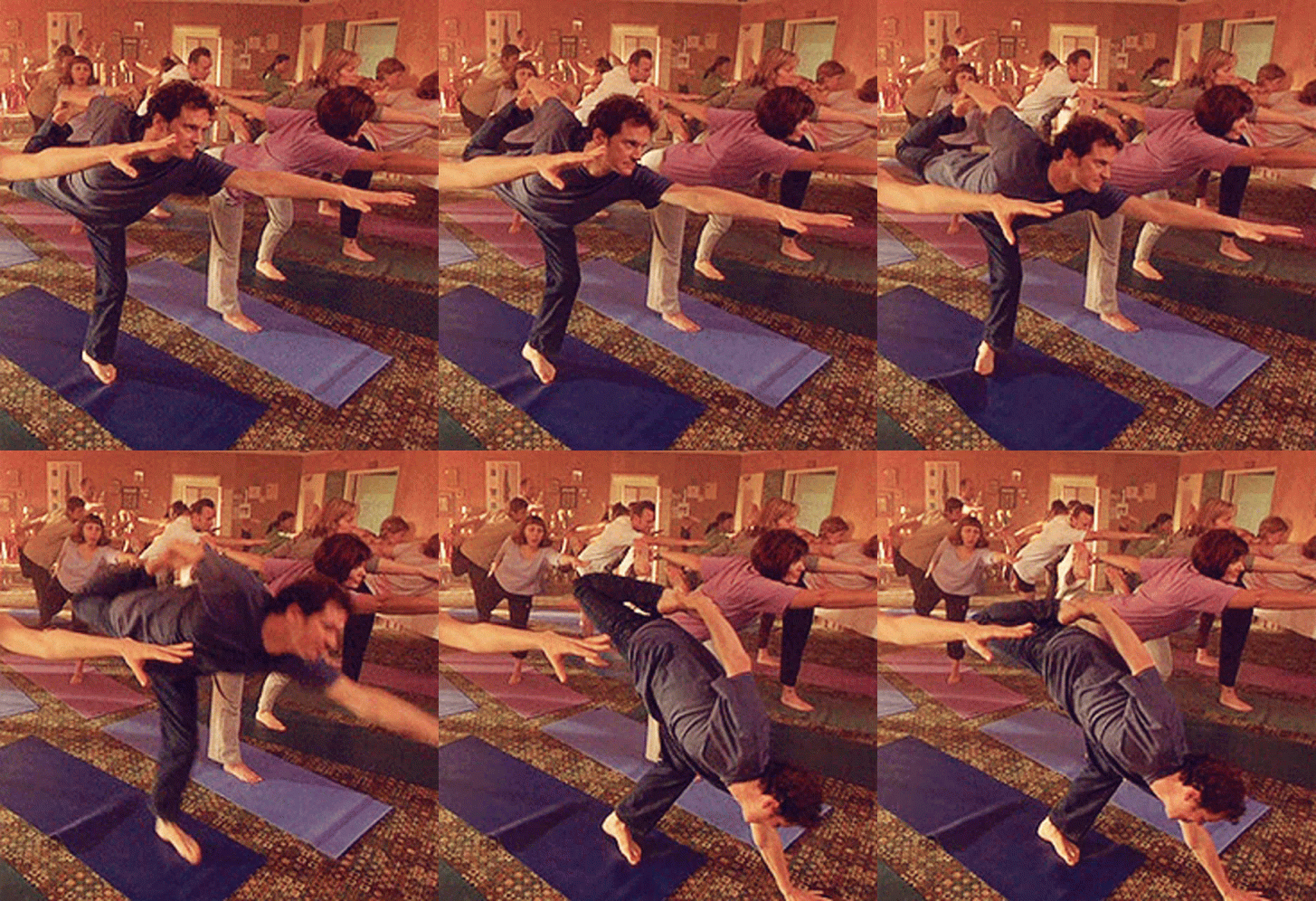
For instance, someone dealing with chronic joint pain might benefit from low-impact activities such as swimming or yoga, which provide physical benefits without exacerbating their condition. Conversely, individuals with high stress levels might find relief in more vigorous activities like running or cycling, which can help in reducing stress hormones and enhancing mood through the release of endorphins.
Integrating Exercise into Daily Life
Naturopathic practitioners advocate for integrating physical activity into daily routines as a means to enhance overall well-being. This might include advice on incorporating more movement into one's day, such as taking regular walking breaks, opting for stairs instead of elevators, or engaging in hobbies that require physical exertion. The goal is to make exercise a natural and enjoyable part of one's lifestyle, rather than a chore.

Conclusion
In conclusion, exercise is a cornerstone of naturopathic medicine, embodying the principle that natural and holistic approaches can foster health and prevent disease. By incorporating individualized exercise regimens into treatment plans, naturopathic practitioners empower their patients to take an active role in their health care, harnessing the therapeutic power of physical activity to achieve optimal health and vitality. As we continue to understand the multifaceted benefits of exercise, its role in naturopathic medicine only grows more significant, reaffirming its status as a vital form of medicine for the body and mind.