
Water has been a source of healing and rejuvenation for centuries, playing a central role in various traditional medicine practices worldwide. In the realm of naturopathy, a holistic approach to wellness, water-based therapies, collectively known as hydrotherapy, are highly valued for their therapeutic benefits. This article delves into the essence of hydrotherapy and its significant role in naturopathic medicine.
What is Hydrotherapy?
Hydrotherapy, from the Greek words 'hydro' meaning water and 'therapeia' meaning healing, is the use of water in various forms and temperatures to maintain health and treat illness. This therapeutic approach, deeply rooted in naturopathic traditions, encompasses a wide range of treatments, including baths, saunas, steam rooms, foot baths, compresses, and water exercises.
Historical Perspective
The use of water for healing can be traced back to ancient civilizations. The Romans, Greeks, Egyptians, and Japanese have historically used baths and hot springs for health and relaxation. Hippocrates, the father of medicine, advocated bathing as a method for treating disease. Over time, these practices have evolved and integrated into modern naturopathy, emphasizing the body's inherent ability to heal itself.
Principles of Hydrotherapy in Naturopathy
Naturopathy views hydrotherapy as a means to stimulate the body's vital force. The application of water, whether hot or cold, invigorates the body's natural response mechanisms. Hot water treatments promote relaxation, soothe muscles, and increase blood flow, aiding in detoxification. Conversely, cold water applications invigorate the system, enhancing immune response and reducing inflammation.

Benefits of Hydrotherapy
- Pain Relief: Warm water immersion provides relief from joint pain, arthritis, and muscle soreness due to its anti-inflammatory properties.
- Detoxification: Water healing aids in eliminating toxins from the body through increased circulation and sweating, particularly in steam baths and saunas.
- Stress Reduction: The soothing effect of warm water on the nervous system helps reduce stress and anxiety, promoting a sense of well-being.
- Improved Circulation: Alternating between hot and cold water treatments stimulates blood flow, enhancing oxygen and nutrient delivery to tissues.
- Immune System Boost: Cold water applications trigger an immune response, increasing white blood cell production and improving overall immune function.
Types of Hydrotherapy Treatments
- Contrast Hydrotherapy: Alternating between hot and cold water to improve circulation and reduce inflammation.
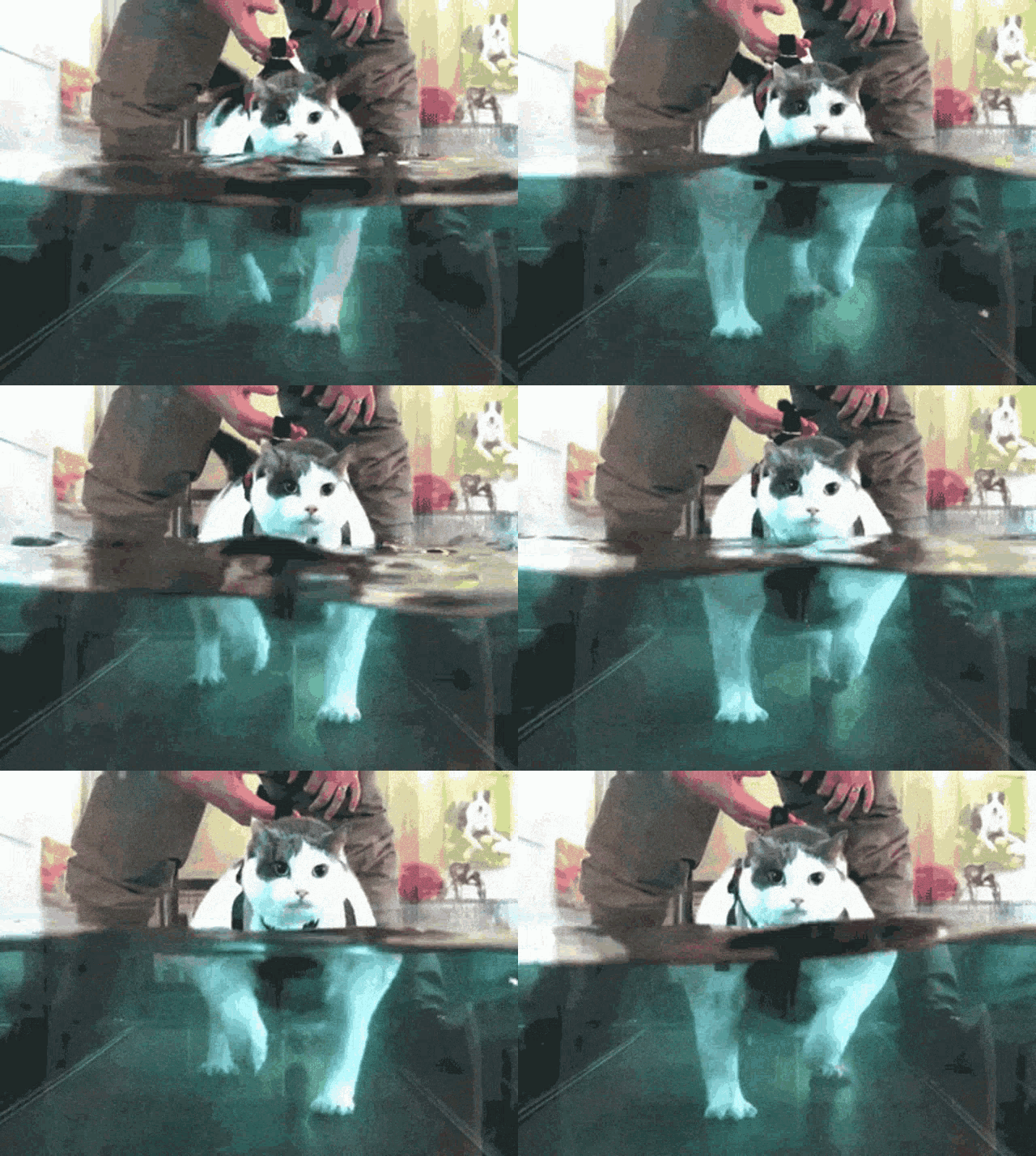
- Water Exercises: Low-impact exercises in water, beneficial for rehabilitation and those with joint issues.
- Steam Therapy: Utilizing steam for detoxification and respiratory relief.
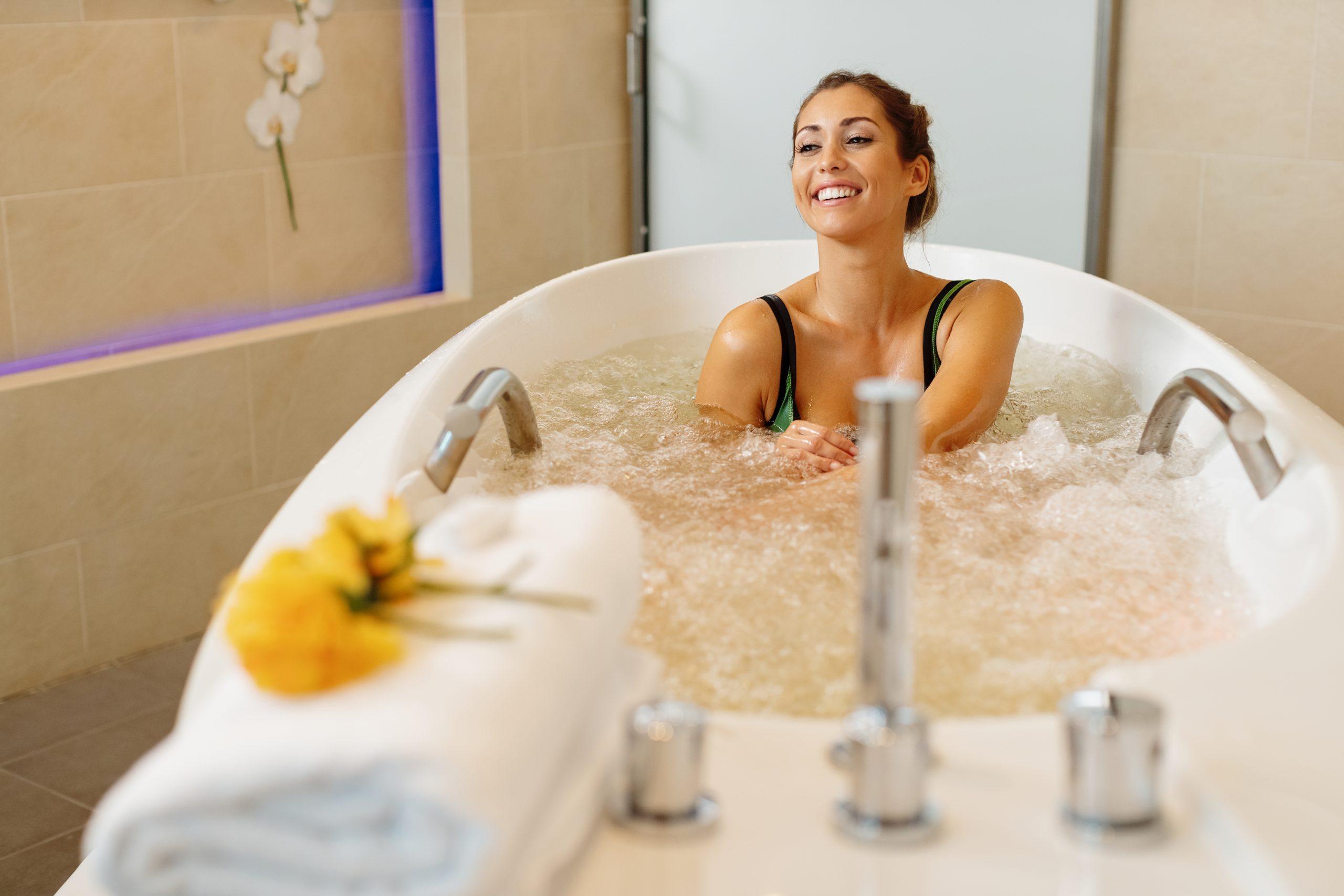
- Therapeutic Baths: Mineral, herbal, or ozone baths for relaxation and skin health.

Safety and Considerations
While hydrotherapy is generally safe, it's essential to consider individual health conditions. People with cardiovascular issues, diabetes, or pregnant women should consult with a naturopathic practitioner before starting any water healing treatments.
Conclusion
Hydrotherapy, with its diverse applications and health benefits, is a testament to the healing power of water. As a cornerstone of naturopathic medicine, it offers a gentle yet effective way to support the body's natural healing processes, embodying the principle that sometimes the simplest natural elements can provide the most profound health benefits. Whether for relaxation, detoxification, or therapeutic purposes, hydrotherapy's role in naturopathy continues to be an invaluable and timeless asset in the journey towards holistic health and wellness.