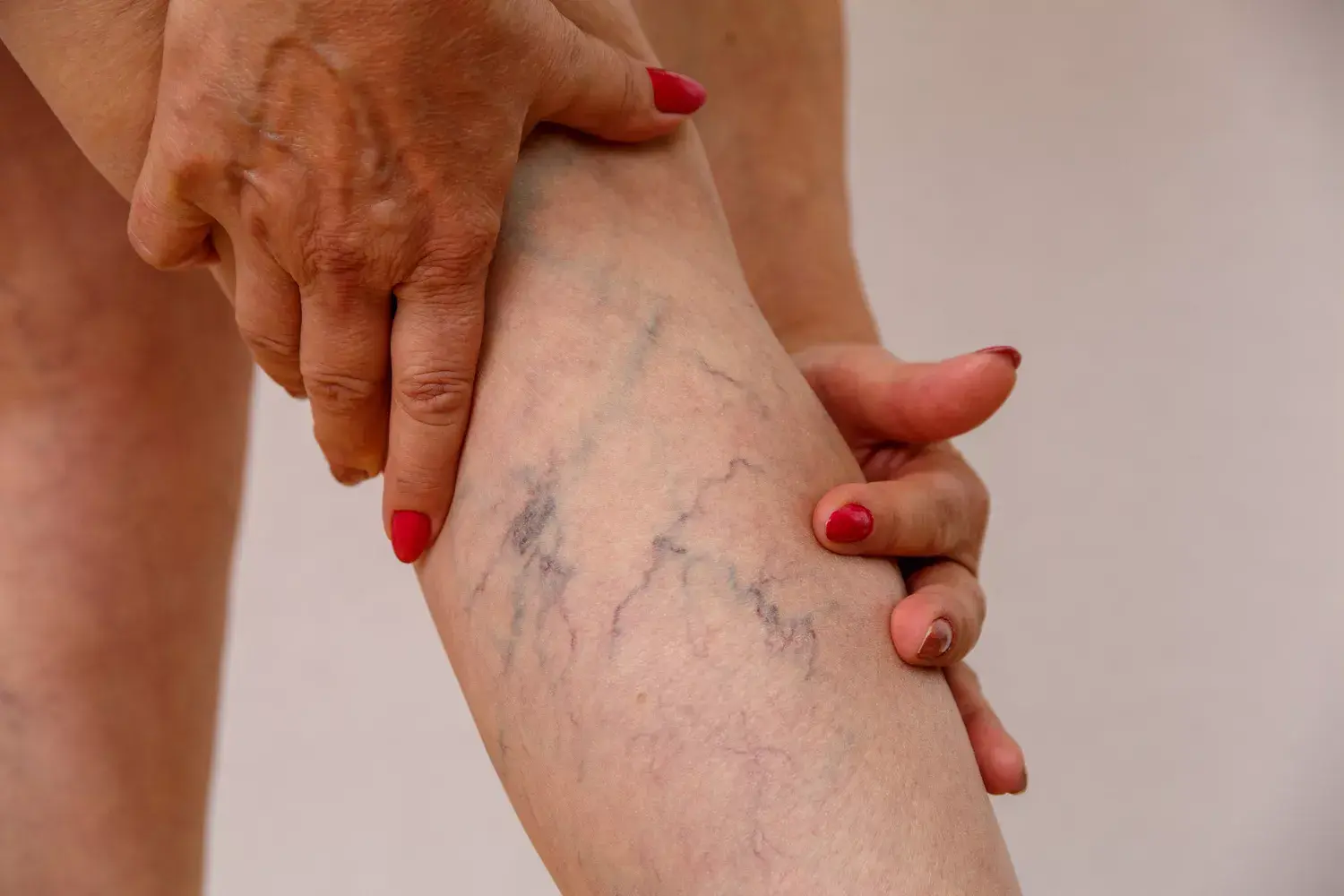

Varicose veins, those blue or purple bulges on the legs that can cause discomfort and sometimes pain, are more than just a cosmetic issue. They are a sign of venous insufficiency, where veins struggle to send blood from the limbs back to the heart. Naturopathic medicine offers a holistic approach to preventing and treating varicose veins, focusing on natural remedies and lifestyle changes to support vein health.
Understanding Varicose Veins
Varicose veins occur when veins become enlarged, dilated, and overfilled with blood. This condition commonly affects the legs and feet due to the pressure of standing and walking upright. Factors contributing to varicose veins include genetics, obesity, pregnancy, hormonal changes, prolonged standing, and aging.
Prevention Strategies
Naturopathic medicine emphasizes prevention as the key to maintaining vein health. Several strategies can help prevent varicose veins or stop them from worsening:
- Exercise Regularly: Physical activity improves blood circulation and vein strength. Low-impact exercises such as walking, cycling, and swimming are particularly beneficial.
- Maintain a Healthy Weight: Excess weight puts additional pressure on your veins, so maintaining a healthy weight can alleviate stress on the circulatory system.
- Elevate Your Legs: Elevating your legs above your heart can encourage blood flow and reduce pressure on the leg veins.
- Wear Compression Stockings: These stockings apply gentle pressure to your legs, helping veins and leg muscles move blood more efficiently.
- Dietary Changes: A diet high in flavonoids can improve blood circulation and reduce the risk of varicose veins. Foods rich in flavonoids include vegetables, citrus fruits, berries, garlic, and cocoa.
Naturopathic Treatments
For those already experiencing varicose veins, naturopathic medicine offers several treatment options to manage symptoms and improve vein health:
- Herbal Remedies: Herbs like horse chestnut, witch hazel, and butcher's broom have been used traditionally to reduce inflammation and strengthen vein walls. Consult a naturopathic doctor before starting any herbal regimen.
- Hydrotherapy: Alternating hot and cold baths can stimulate blood circulation and reduce swelling in the legs.
- Essential Oils: Massage with essential oils like cypress, lavender, and peppermint can soothe discomfort and improve circulation when diluted with a carrier oil and applied to the affected area.
- Acupuncture: This traditional Chinese medicine technique may help improve blood flow and alleviate symptoms associated with varicose veins.
Lifestyle and Dietary Recommendations
Incorporating lifestyle and dietary changes can further support the treatment and prevention of varicose veins:
- Stay Hydrated: Drinking enough water can improve circulation and vein health.
- Limit Salt Intake: Reducing salt in your diet can prevent swelling that can exacerbate varicose veins.
- Increase Magnesium and Potassium Intake: Foods high in magnesium (such as leafy greens and nuts) and potassium (like bananas and sweet potatoes) can help with blood flow and reduce water retention.

Conclusion
Naturopathic medicine offers a comprehensive approach to managing varicose veins, focusing on natural remedies and lifestyle adjustments to enhance vein health. By adopting preventive measures and seeking naturopathic treatments, individuals can alleviate the symptoms of varicose veins and improve their overall well-being. As with any medical condition, consult with a healthcare provider before beginning any new treatment regimen, especially if you have existing health conditions or are taking medications.