

In the realm of naturopathic medicine, the significance of positive thinking is continually emphasized as a crucial element of health and healing. The connection between the mind and body goes beyond mere philosophy, serving as a practical influence on our physical health. This article explores the intriguing dynamics of positive thinking, health, and healing within the scope of naturopathic practices.
Understanding the Mind-Body Connection
The mind-body connection is a fundamental principle in naturopathy, recognizing that our thoughts, feelings, beliefs, and attitudes can positively or negatively affect our biological functioning. In other words, our minds can affect how healthy our bodies are. This connection is not merely theoretical but is supported by numerous scientific studies demonstrating the physiological changes brought about by mental states.
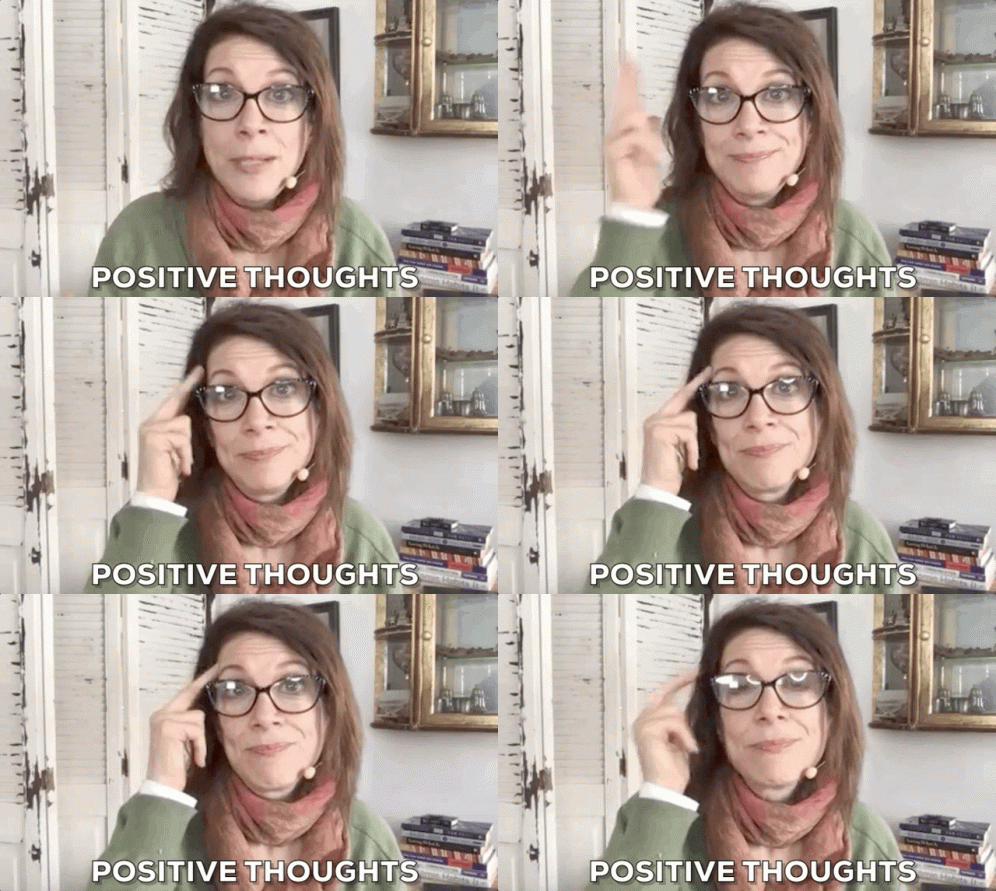
Positive thinking, in particular, has been shown to improve health outcomes. Optimism, for example, is linked to a healthier heart and a stronger immune system. Conversely, negative emotions and stress can exacerbate physical ailments, leading to a longer recovery time and even the development of chronic diseases.
The Role of Positive Thinking in Naturopathy
Naturopathy, with its holistic approach to health, places a great emphasis on the role of the mind in healing. Practitioners believe that a positive mindset can be as important as physical treatments. Positive thinking is seen as a powerful tool that can aid in the recovery process, enhance the effectiveness of treatments, and improve overall well-being.
How Positive Thinking Influences Health
- Stress Reduction: Positive thinking helps in stress management. Chronic stress can lead to a range of health problems, including heart disease, hypertension, diabetes, and mental health disorders. By fostering a positive outlook, individuals can mitigate the harmful effects of stress on the body.
- Immune System Boost: A positive mindset can strengthen the immune system. Studies have shown that optimistic individuals are less susceptible to illnesses like the common cold and may also experience quicker recovery times.
- Healthy Lifestyle Choices: Positive thinkers are more likely to engage in healthy behaviors. They tend to have better dietary habits, exercise regularly, and avoid harmful activities like smoking and excessive drinking, contributing to overall better health.
- Pain Management: Positive thinking can alter the perception of pain. In naturopathy, this is particularly relevant as practitioners often employ techniques like meditation and visualization to help manage pain.
Integrating Positive Thinking into Naturopathic Treatments
Naturopathic practitioners often incorporate techniques to promote positive thinking into their treatment plans. This may include:
- Counseling and Psychotherapy: To address negative thought patterns and cultivate a more optimistic outlook.
- Mindfulness and Meditation: To enhance mental clarity and emotional stability.
- Visualization Techniques: Used to imagine positive outcomes and promote healing.
- Lifestyle Coaching: To encourage habits that foster a positive mindset.
Conclusion

In naturopathy, the power of positive thinking is not just a cliché but a vital aspect of health and healing. It's an empowering concept that places individuals at the center of their healing journey, highlighting the importance of a holistic approach to health. By embracing positive thinking, individuals can significantly influence their physical well-being, paving the way for a healthier, more balanced life.