

Aromatherapy, a practice deeply rooted in the holistic approach of naturopathic medicine, harnesses the essence of plants for therapeutic use. Essential oils, the cornerstone of aromatherapy, have been used for millennia to promote physical, emotional, and spiritual well-being. This article delves into the fascinating world of these oils and their myriad therapeutic effects.
The Essence of Essential Oils
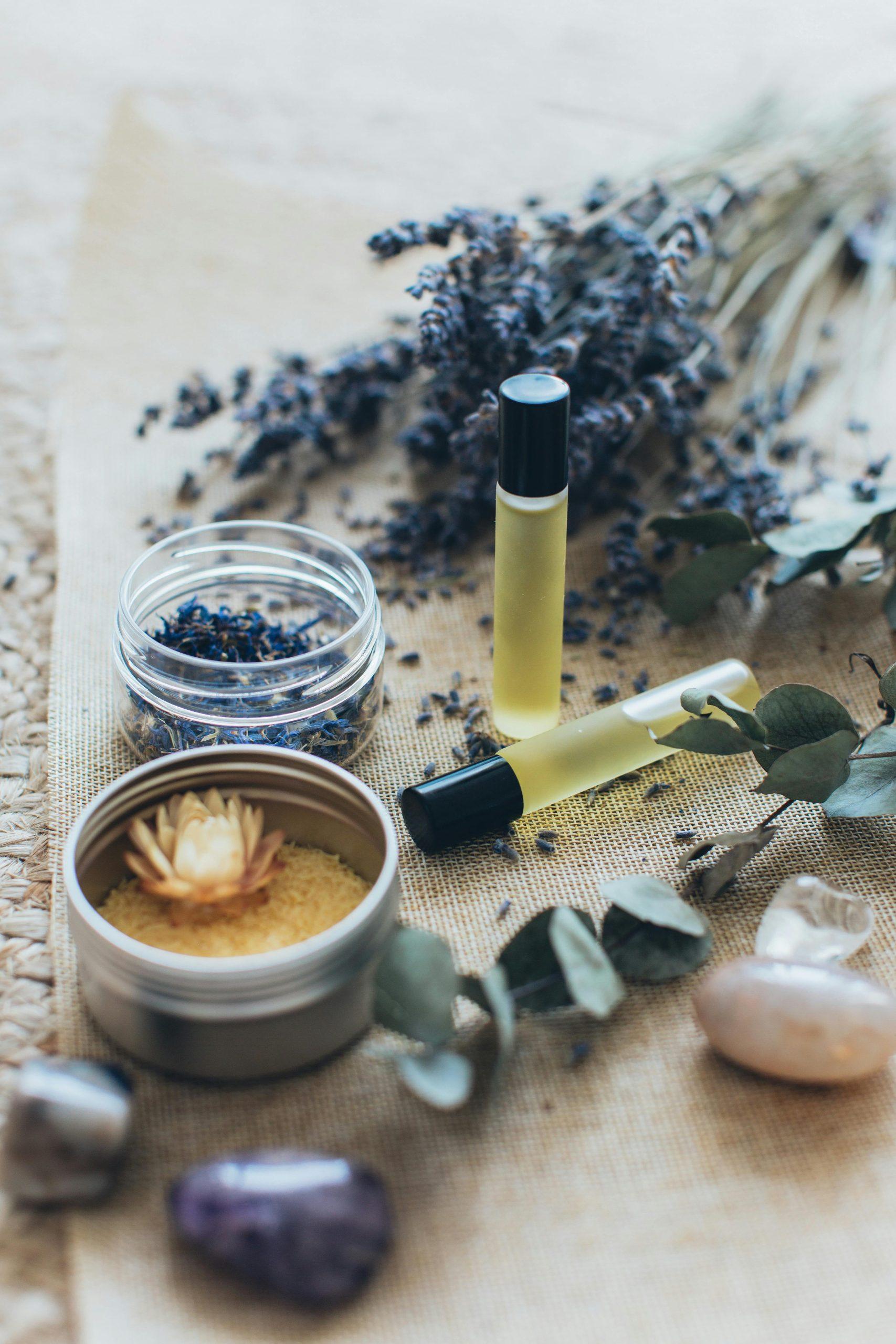
Essential oils are highly concentrated plant extracts obtained primarily through steam distillation or cold pressing. Each oil embodies the aroma and therapeutic properties of the plant from which it is derived. These oils capture a plant's essence - its scent and flavor, or 'essence' - offering a direct link to the healing power of nature.

Historical Context
Historically, essential oils have been integral to various cultures for health and spiritual purposes. Ancient Egyptians used aromatic oils for embalming and therapeutic massage, while in India, they became a cornerstone of Ayurvedic medicine. This historical usage underscores a common belief across cultures: plants possess inherent properties that can significantly benefit human health.
Therapeutic Effects and Uses
The therapeutic effects of essential oils are as diverse as their scents. They are often used in diffusers to purify air and create a calming ambiance, directly impacting mood and stress levels. Specific oils like lavender and chamomile are known for their soothing and sleep-inducing properties, while peppermint and eucalyptus are celebrated for their invigorating and decongestant qualities.

Emotional and Psychological Benefits
Aromatherapy is especially renowned for its impact on emotional and psychological well-being. Inhaling the aroma of essential oils can stimulate areas of your limbic system, which is a part of your brain involved in emotions, behaviors, sense of smell, and long-term memory. For instance, the smell of lavender may prompt calming sensations because the limbic system associates it with a peaceful, relaxing experience.
Physical Health
In terms of physical health, essential oils like tea tree and oregano are valued for their antibacterial and anti-fungal properties. They are used in various skin care applications and to support the immune system. Furthermore, some oils, such as ginger and peppermint, are known to aid in digestion and alleviate nausea.
Methods of Application
The application of essential oils varies depending on the desired effect. Common methods include:
- Inhalation: This can be achieved through diffusers, spritzers, or steam inhalations. It is particularly effective for respiratory relief and mood regulation.
- Topical Application: Diluted essential oils can be applied to the skin, allowing absorption into the body. This method is often used for massage, offering both psychological and physical relief.
- Oral Consumption: Some essential oils can be ingested in minute quantities, though this should only be done under professional guidance due to potential toxicity.
Safety and Precautions
While natural, essential oils are potent and should be used with caution. It's important to use therapeutic-grade oils and dilute them appropriately. Certain oils can cause skin irritation or allergic reactions, and some are not recommended for pregnant women or individuals with specific health conditions. It is always advisable to consult with a healthcare provider or a qualified aromatherapist before incorporating essential oils into your health regimen.

Conclusion
Aromatherapy offers a natural, holistic approach to wellness, aligning with the principles of naturopathic medicine. By embracing the therapeutic properties of essential oils, we can tap into nature's pharmacy, harnessing its power to heal, rejuvenate, and enhance our overall well-being. As we continue to explore and understand these natural wonders, their role in holistic health and wellness becomes increasingly significant.