



Magnesium, an essential mineral for the human body, plays a pivotal role in over 300 enzymatic reactions. Ranging from energy production to bone health, magnesium is vital for optimal health and well-being. However, despite its significance, magnesium deficiency is increasingly common, often due to inadequate dietary intake. This has sparked a growing interest in magnesium supplementation, a topic worth exploring in detail.
The Importance of Magnesium
Magnesium is indispensable for many bodily functions. It helps in the synthesis of DNA, RNA, and the antioxidant glutathione. Magnesium also plays a crucial role in muscle and nerve function, blood glucose control, and blood pressure regulation. Importantly, it contributes to the structural development of bones and is necessary for the transportation of calcium and potassium across cell membranes, a process vital for muscle contractions, nerve impulses, and a regular heartbeat.

Causes of Magnesium Deficiency
The decline in dietary magnesium consumption is attributed to factors like soil depletion, processed food diets, and lifestyle factors that increase the body's magnesium requirements. Certain populations are at a higher risk of magnesium deficiency, including those with gastrointestinal diseases, diabetes, alcohol dependence, and older adults.
Causes of Magnesium Deficiency
Benefits of Magnesium Supplementation
Supplementation of magnesium is found beneficial in various scenarios. For instance, it can alleviate symptoms of premenstrual syndrome (PMS) and has been shown to have a positive impact on depression and anxiety. Magnesium also plays a role in preventing migraine headaches and is linked to improved insulin sensitivity and metabolic control in type 2 diabetes patients. Moreover, it's known for its effectiveness in reducing blood pressure in hypertensive individuals.
Types of Magnesium Supplements
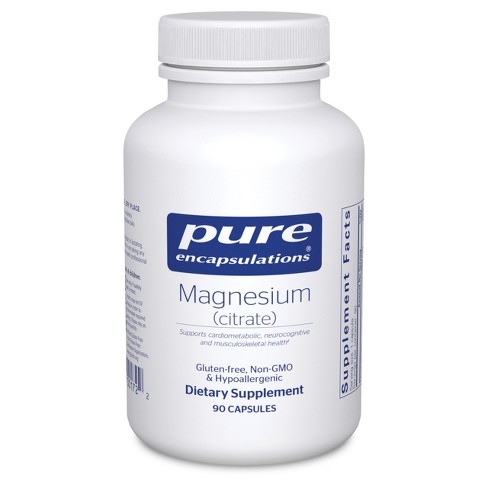
Magnesium supplements come in various forms, including magnesium oxide, citrate, and chloride. Each type has different absorption rates and bioavailability. For instance, magnesium citrate is often recommended for its higher bioavailability, while magnesium oxide is a common, affordable option.
Recommended Dosage and Considerations
The Recommended Dietary Allowances (RDAs) for magnesium vary based on age, gender, and pregnancy status. Generally, adult men require about 400-420 mg per day, while women need 310-320 mg per day. However, it's essential to consult with a healthcare provider before starting any supplementation, as excessive magnesium intake can lead to adverse effects like diarrhea, nausea, and abdominal cramping. People with kidney disorders should be particularly cautious, as their kidneys may not remove excess magnesium effectively.
Dietary Sources of Magnesium
While supplementation is beneficial, obtaining magnesium from food sources is advisable. Foods rich in magnesium include green leafy vegetables, nuts, seeds, legumes, and whole grains. Incorporating a variety of these foods into the diet can help maintain adequate magnesium levels.

Conclusion
Magnesium supplementation offers a practical solution to counteract deficiency and support overall health. It provides significant benefits, particularly for those at risk of deficiency or with specific health conditions. However, it should be approached with caution, considering individual health needs and in consultation with healthcare professionals. By combining dietary sources and supplements if necessary, one can ensure optimal magnesium levels for better health and well-being.