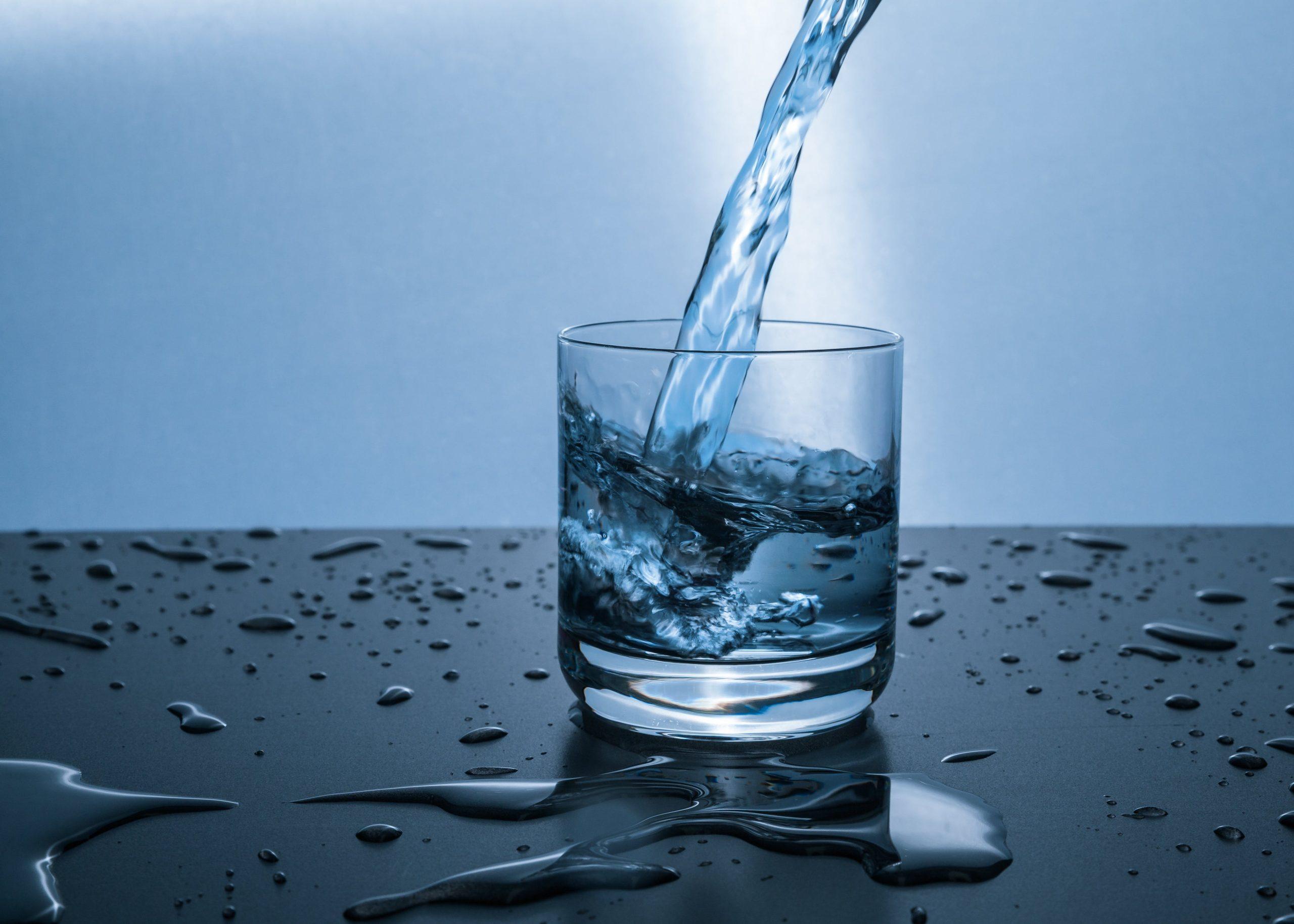

Hydration is a fundamental aspect of health that affects every cell and system in our bodies. From a naturopathic perspective, maintaining optimal hydration is not just about preventing dehydration; it's about nurturing our body's innate ability to heal and maintain balance. Water is essential for life, and its role in our health encompasses far more than just quenching thirst. It supports detoxification, nutrient absorption, and the maintenance of vital bodily functions. This article explores the significance of hydration from a naturopathic medicine standpoint, emphasizing its impact on overall health and well-being.

Naturopathic medicine emphasizes prevention, treatment, and optimal health through the use of therapeutic methods and substances that encourage individuals' inherent self-healing process. In this light, hydration is seen as a key element in promoting health and preventing disease. Water is the medium through which our bodies perform a plethora of biochemical reactions. It is crucial for the digestive system, aiding in the breakdown of food, absorption of nutrients, and elimination of waste. Without adequate hydration, these processes become inefficient, leading to diminished health and vitality.
Moreover, hydration plays a pivotal role in the regulation of body temperature, joint lubrication, and the maintenance of skin health. Proper hydration ensures that our bodies can cool themselves effectively through perspiration, reduces friction in our joints, promoting ease of movement, and helps keep our skin moist and resilient. From a naturopathic viewpoint, these functions are essential not just for physical well-being but also for maintaining a balance within the body's natural ecosystem.
The quality of water we consume is also a consideration in naturopathic medicine. It is recommended to drink clean, filtered water free from contaminants and possibly enhanced with natural minerals for optimal health benefits. The quantity of water required can vary based on individual needs, which can be influenced by factors such as body weight, level of physical activity, climate, and health conditions. A general guideline is to drink at least eight 8-ounce glasses of water a day, but this may need to be adjusted to suit personal health requirements.

Naturopathic practitioners also recognize the importance of listening to the body's signals for hydration. Thirst, dry mouth, fatigue, and dark urine are all indicators that the body needs more water. However, it's also important to understand that our sense of thirst may not always accurately reflect our hydration needs, especially in older adults or during intense physical activity. Therefore, it's crucial to adopt a proactive approach to hydration, rather than waiting for signs of dehydration to appear.
Incorporating hydrating foods into the diet, such as fruits and vegetables high in water content, can also support hydration levels. Foods like cucumbers, celery, watermelons, and oranges offer not only hydration but also essential nutrients and electrolytes that aid in maintaining the body's fluid balance.

In conclusion, from a naturopathic medicine perspective, hydration is much more than a basic human need; it's a cornerstone of health and vitality. By ensuring adequate intake of high-quality water and listening to our bodies' needs, we can support our natural healing processes, promote detoxification, and enhance our overall well-being. As we understand and respect the profound impact of hydration on our health, we empower ourselves to live healthier, more balanced lives.