
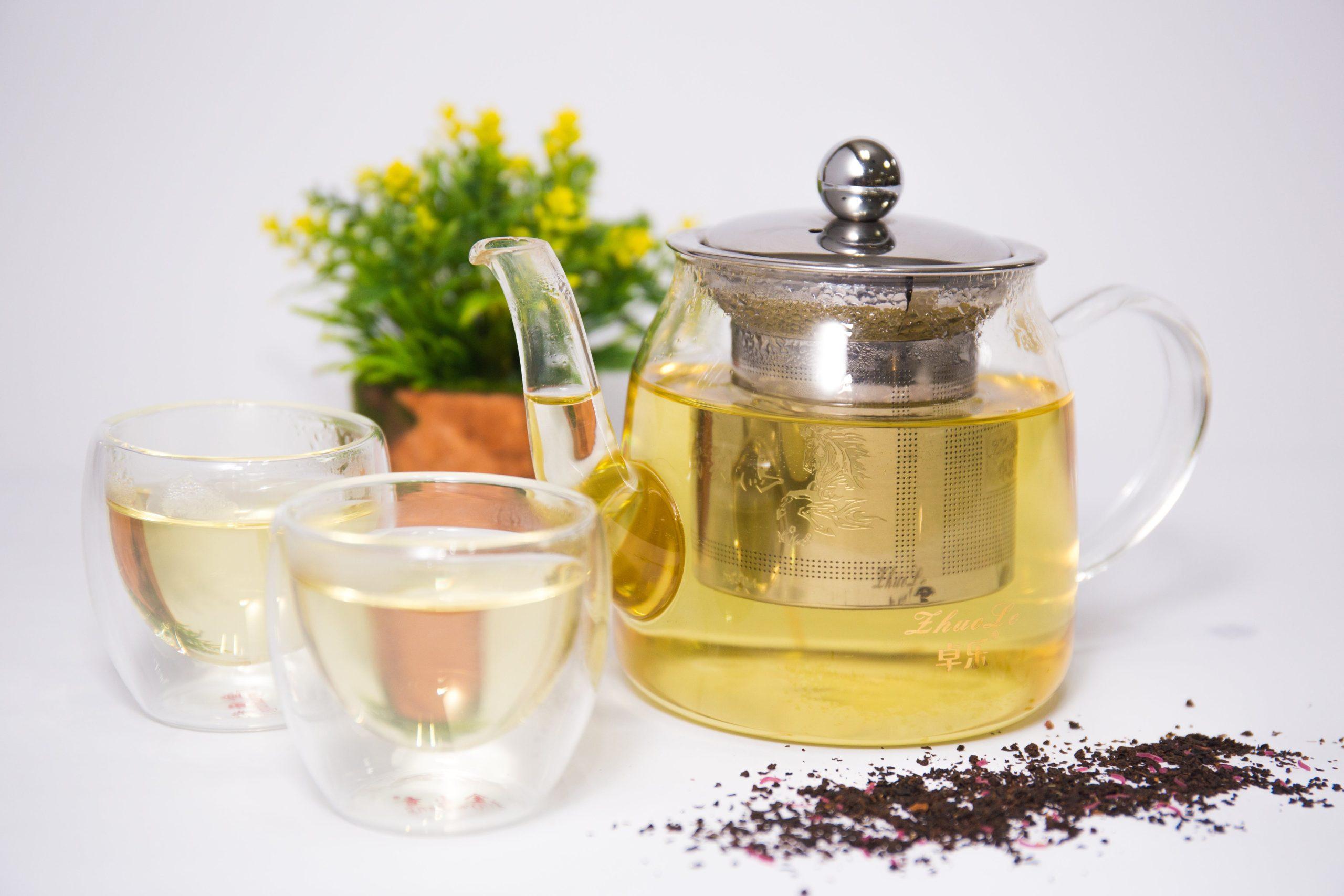

Herbal teas, steeped in tradition and revered for their medicinal properties, have been a cornerstone of natural healing practices for centuries. Unlike traditional teas derived from the Camellia sinensis plant, herbal teas, or tisanes, are made from a diverse array of dried flowers, spices, herbs, and fruits. This rich variety not only offers a spectrum of delightful flavors but also a range of health benefits. This guide aims to enlighten you on how to select and brew herbal tea for their therapeutic properties.
Understanding Herbal Tea Benefits
Each herbal tea has its unique set of health benefits. For instance, chamomile is renowned for its calming effects and is often used to promote relaxation and better sleep. Peppermint tea, with its refreshing aroma, is a popular remedy for digestive issues. Echinacea, known for boosting the immune system, is a go-to option during cold and flu season. It’s essential to understand the specific benefits of each herb to select a tea that aligns with your health needs.
Quality and Purity
The quality of herbal tea is crucial. Opt for organic teas to ensure they are free from pesticides and chemicals. High-quality, loose-leaf teas often provide more of the essential oils and aromas that contribute to the therapeutic effects of the tea. It’s also important to check the source of the herbs; reputable brands often provide information about the origin and processing methods of their ingredients.
Brewing Techniques
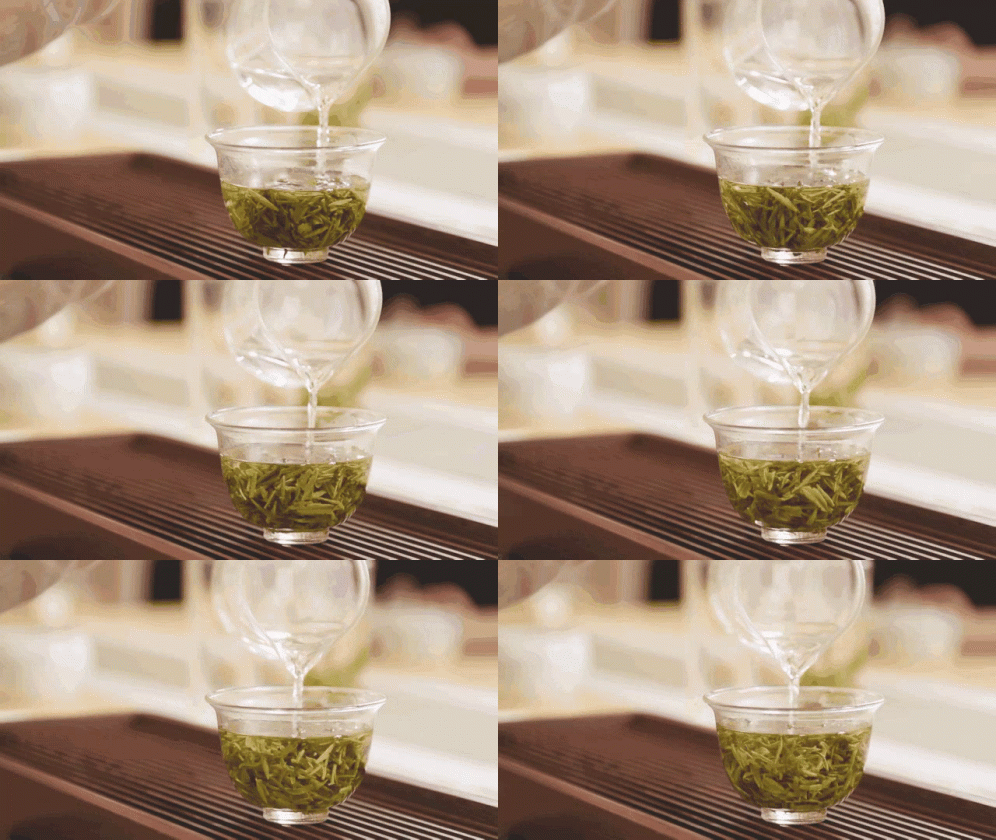
Brewing herbal tea is an art that requires attention to detail. Unlike black or green teas, which can become bitter if over-steeped, most herbal teas are more forgiving. However, to extract the maximum benefits and flavors, certain guidelines should be followed:
- Water Temperature: Most herbal teas brew best in hot water that’s just below boiling. This temperature range helps to extract the flavors and medicinal properties without destroying delicate compounds.
- Steeping Time: Generally, herbal teas should be steeped for 5 to 10 minutes. Some robust herbs, like roots or barks, might require a longer steeping time to release their full benefits.
- Cover While Steeping: Covering your tea while it steeps helps to trap the essential oils and aromas, enhancing both the flavor and therapeutic properties.

Combining Herbs for Synergy
Blending different herbs can create synergistic effects, where the combined benefits are greater than the individual herbs. For example, combining ginger with peppermint can enhance digestive relief, while chamomile and lavender together might offer stronger relaxation benefits. Experimenting with blends can be both fun and beneficial, but it’s important to research the herbs to ensure they are safe to use together.
Personalization and Moderation
While herbal teas are generally safe, it’s important to consider personal health conditions and allergies. Pregnant women, breastfeeding mothers, and individuals with specific health conditions should consult a healthcare professional before consuming certain herbal teas. Moderation is key, as excessive consumption of some herbs can lead to adverse effects.

Conclusion
Herbal teas offer a delightful and natural way to support your health and well-being. By understanding the properties of different herbs, ensuring the quality of your tea, mastering the art of brewing, and personalizing your tea choices, you can enjoy the full spectrum of benefits that these wonderful brews have to offer. Remember, the journey to wellness is not just about the destination but also about savoring each sip along the way.